How I Fixed My Constipation—And What Actually Works
Constipation affects millions, yet it’s rarely talked about openly. I struggled for years—bloating, discomfort, low energy—until I discovered science-backed rehabilitation methods that truly helped. This isn’t about quick fixes or miracle cures. It’s about consistent, realistic changes in diet, movement, and lifestyle. If you’ve ever felt stuck, you’re not alone. Let’s explore what really works, why it matters, and how small shifts can lead to noticeable, lasting relief—naturally and safely.
The Hidden Struggle: Understanding Chronic Constipation
Constipation is more than an occasional inconvenience—it can become a persistent, disruptive condition affecting daily energy, mood, and overall well-being. Medically, constipation is defined as having fewer than three bowel movements per week, with stools that are hard, dry, or difficult to pass. For many, this becomes a chronic issue lasting weeks or even months, yet it often goes unreported due to embarrassment or the belief that it’s not serious enough to warrant attention. The reality is that chronic constipation can significantly impact quality of life, contributing to abdominal pain, bloating, fatigue, and a constant sense of fullness.
One of the most common misconceptions is that constipation is simply a result of poor diet or laziness. While diet and activity play major roles, the condition is influenced by a complex network of physiological factors, including nerve signaling in the gut, muscle coordination in the colon and pelvic floor, and the balance of gut bacteria. Ignoring these underlying mechanisms can lead to ineffective or even counterproductive attempts at self-management. Many people try over-the-counter laxatives for short-term relief, but without addressing root causes, symptoms often return or worsen over time.
Another reason constipation remains under-discussed is cultural discomfort. Digestive health is often seen as a private or even taboo topic, especially among adults who believe they should “just handle it.” This silence prevents people from seeking help or learning about effective, sustainable strategies. It’s important to recognize that chronic constipation is not a personal failing—it is a medical condition that responds best to structured, rehabilitative approaches. Just as physical therapy helps restore movement after an injury, digestive rehabilitation can retrain the body’s natural rhythms and restore healthy bowel function.
Understanding constipation as a rehabilitative challenge shifts the focus from temporary fixes to long-term healing. This means looking beyond symptom suppression and instead supporting the body’s innate ability to regulate digestion. It involves patience, consistency, and a willingness to experiment with lifestyle changes that align with the body’s natural physiology. For many women, especially those in midlife, hormonal fluctuations, reduced physical activity, and changes in diet can all contribute to slower transit times. Recognizing these factors is the first step toward meaningful improvement.
Why Standard Advice Falls Short
Most people have heard the standard recommendations for constipation: “Eat more fiber” and “drink more water.” While these suggestions are grounded in truth, they often fall short in practice. Why? Because they are typically offered as universal solutions, without considering individual differences in digestion, gut health, or lifestyle. For some, increasing fiber intake without adequate hydration or proper food choices can actually worsen bloating and discomfort. Others may drink plenty of water but still struggle because their gut motility is impaired or their pelvic floor muscles are not functioning correctly.
Fiber is essential, but not all fiber is the same. There are two main types: soluble and insoluble. Soluble fiber dissolves in water and forms a gel-like substance that softens stool and supports gut bacteria. It’s found in foods like oats, apples, and legumes. Insoluble fiber adds bulk to stool and helps move material through the digestive tract. It’s present in whole grains, nuts, and many vegetables. The balance between these two types matters. Too much insoluble fiber without enough fluid can lead to blockages, especially in individuals with slow transit. A one-size-fits-all push for “more fiber” ignores this nuance and can leave people frustrated when their symptoms don’t improve.
Hydration is another cornerstone of digestive health, but timing and consistency matter. Drinking large amounts of water all at once is less effective than sipping fluids steadily throughout the day. Water helps soluble fiber do its job, but it also supports the mucus lining of the colon, which aids in smooth passage of stool. However, even with good hydration and fiber intake, some people still struggle because other factors—such as medication side effects, low physical activity, or nerve dysfunction—are at play. For example, certain antidepressants, calcium channel blockers, and iron supplements are known to slow bowel movements. Without addressing these contributors, dietary changes alone may not be enough.
Additionally, the microbiome—the trillions of bacteria living in the gut—plays a critical role in digestion. An imbalance in gut bacteria, known as dysbiosis, can impair fermentation of fiber and reduce the production of short-chain fatty acids that stimulate colon contractions. This means that even with ideal food intake, poor microbial health can hinder progress. Similarly, pelvic floor dysfunction, where the muscles involved in bowel movements are too tight or uncoordinated, affects many women and is often overlooked. These complexities show why generic advice, while well-intentioned, is often insufficient. Effective relief requires a more personalized, layered approach.
Diet That Actually Moves Things: Beyond Fiber
To support regular bowel movements, diet must go beyond simply adding bran cereal or psyllium husk. A balanced, gut-supportive eating pattern includes the right types of fiber, proper hydration, and foods that naturally stimulate motility. The goal is not to force movement but to create conditions in the digestive tract that encourage gentle, consistent transit. This begins with understanding how different foods affect the gut and making intentional choices throughout the day.
Soluble fiber is particularly beneficial because it feeds beneficial gut bacteria and helps form soft, easy-to-pass stools. Foods like chia seeds, flaxseeds, oats, and cooked apples are excellent sources. These can be easily incorporated into meals—adding chia to yogurt, blending flax into smoothies, or enjoying oatmeal with stewed fruit. Insoluble fiber, while helpful, should be introduced gradually and paired with plenty of fluids. Whole wheat bread, brown rice, and raw vegetables like broccoli and carrots add bulk, but overconsumption without adequate water can lead to discomfort, especially in those with slow motility.
Certain foods have natural laxative properties and can be used strategically. Prunes are one of the most well-researched options, containing both fiber and sorbitol, a sugar alcohol that draws water into the colon. Studies have shown that prunes can be as effective as over-the-counter laxatives for mild to moderate constipation. Kiwifruit is another powerful option—its skin contains actinidin, an enzyme that enhances gut motility, and its fiber content supports microbiome health. Fermented foods like yogurt, kefir, sauerkraut, and kimchi introduce beneficial bacteria that improve digestion and help regulate bowel function.
Meal timing and spacing also influence digestion. Eating at regular intervals helps regulate the gastrocolic reflex—the natural surge in colon activity that occurs after eating. Skipping meals or eating erratically can dampen this reflex, reducing the urge to go. A simple strategy is to eat a small, fiber-rich breakfast within an hour of waking, which can trigger morning bowel activity. Including healthy fats like avocado, olive oil, or nuts in meals also supports smooth muscle contractions in the intestines. These fats are not laxatives, but they help lubricate the digestive tract and promote gentle movement.
It’s also important to identify and reduce foods that may contribute to constipation. Dairy products, especially in sensitive individuals, can slow transit. Highly processed foods low in fiber and high in fat or sugar offer little digestive benefit and may disrupt gut balance. Red meat, while not inherently problematic, tends to be low in fiber and can be constipating when consumed in excess without compensating plant-based foods. A balanced approach—emphasizing whole grains, fruits, vegetables, legumes, and fermented foods—creates an internal environment where regularity becomes the norm rather than the exception.
Movement as Medicine: The Role of Physical Activity
Physical activity is a powerful but often underestimated tool for improving bowel function. The digestive system relies on muscle contractions to move food and waste through the intestines, and movement enhances this process in several ways. Even gentle activities like walking can stimulate peristalsis—the wave-like contractions of the gut muscles—by increasing blood flow and activating the nervous system. Gravity also plays a role; being upright encourages downward movement in the colon, whereas prolonged sitting can slow transit.
Walking is one of the most accessible and effective forms of movement for digestive health. A 20- to 30-minute walk after meals, especially breakfast or dinner, can support the gastrocolic reflex and promote timely elimination. For those with limited mobility, even short bouts of movement—standing up every hour, doing light stretching, or marching in place—can make a difference. The key is consistency rather than intensity. Regular, moderate activity helps maintain muscle tone in the abdominal wall and supports overall metabolic function, both of which contribute to healthy digestion.
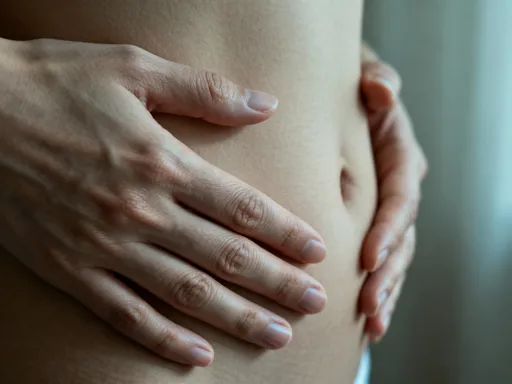
Core engagement exercises, such as gentle abdominal breathing or pelvic tilts, can also aid bowel movements. These movements activate the muscles involved in defecation and improve coordination between the diaphragm and pelvic floor. Abdominal self-massage is another evidence-based technique. Using a clockwise motion over the lower abdomen—following the path of the colon—can help stimulate movement and relieve bloating. This can be done for 5 to 10 minutes daily, preferably in a relaxed position after a warm drink.
For those able to do more vigorous activity, exercises like swimming, cycling, or light strength training further support digestive health by improving circulation, reducing stress, and enhancing overall gut motility. However, extreme or excessive exercise can sometimes have the opposite effect, particularly if it leads to dehydration or increased stress hormones. The goal is not to push the body but to support it with sustainable, enjoyable movement. Over time, regular physical activity helps reset the body’s natural rhythms, making constipation less likely to occur.
Rebuilding Rhythm: Bowel Retraining and Toilet Habits
Just as the body thrives on routine, so does the digestive system. Bowel retraining is a structured approach to restoring natural elimination patterns by using timing, posture, and consistency to strengthen the body’s reflexes. Many people have lost touch with their natural urges due to busy schedules, ignoring the call to go, or using the bathroom at irregular times. Over time, this can dull the gastrocolic reflex and lead to stool retention, making constipation worse.
One of the most effective strategies is establishing a daily toilet routine. Choosing a consistent time—ideally 20 to 30 minutes after a meal, when the gastrocolic reflex is strongest—helps train the body to expect elimination. Sitting on the toilet at the same time each day, even if there’s no immediate urge, can gradually re-sensitize the bowels. This practice is especially helpful for those who have gone long periods without regular movement. Patience is key; it may take several weeks to see improvement, but the results are often lasting.
Posture during bowel movements also plays a crucial role. The modern seated toilet positions the body at a 90-degree angle, which can compress the rectum and make evacuation more difficult. The squatting position, where the knees are higher than the hips, straightens the anorectal angle and allows for easier passage. This can be mimicked on a standard toilet using a small footstool to elevate the feet. Many users report significantly less straining and more complete emptying when using this technique. Combining proper posture with relaxed breathing—inhaling deeply and exhaling slowly—further supports pelvic floor relaxation.
Avoiding the suppression of bowel urges is another critical component of retraining. When the body signals the need to go, delaying it repeatedly can lead to stool hardening and decreased sensitivity over time. Creating a bathroom environment that allows for privacy, comfort, and adequate time is essential. Rushing, multitasking, or feeling stressed while on the toilet can inhibit the process. The goal is to create a calm, distraction-free space where the body can respond naturally.
The Mind-Gut Connection: Stress, Nerves, and Digestion
The digestive system is deeply connected to the nervous system, particularly the enteric nervous system—often called the “second brain” of the gut. This network of nerves controls digestion independently but communicates constantly with the central nervous system. When stress is chronic, the body remains in a state of sympathetic activation—“fight or flight”—which slows digestion and reduces blood flow to the gut. This can lead to delayed transit, reduced enzyme secretion, and altered gut motility, all of which contribute to constipation.
On the other hand, the parasympathetic nervous system—responsible for “rest and digest” functions—promotes healthy digestion by stimulating gut contractions and supporting enzyme release. Activating this system through simple techniques can make a meaningful difference. Deep, diaphragmatic breathing, for example, signals safety to the body and helps shift into parasympathetic dominance. Taking a few minutes before meals or during bathroom time to breathe slowly and deeply can enhance digestive function.
Mindfulness practices, such as gentle meditation or body scanning, also support gut health by reducing overall stress levels. These are not about achieving a particular state but about cultivating awareness and presence. When applied to digestion, this means paying attention to hunger cues, eating without distraction, and noticing how different foods affect the body. Over time, this mindful approach can improve the body’s ability to regulate itself.
Establishing daily routines—consistent meal times, sleep schedules, and relaxation practices—further supports the mind-gut connection. Predictability helps the body anticipate and prepare for digestion, reducing the likelihood of disruption. For women managing household responsibilities, caregiving, or work demands, carving out even small moments for calm can have outsized benefits for digestive health. Emotional regulation and physical well-being are not separate; they are deeply intertwined.
When to Seek Help: Knowing the Red Flags
While lifestyle changes can resolve many cases of constipation, there are times when professional evaluation is necessary. Certain symptoms should not be ignored, as they may indicate underlying conditions that require medical attention. These include sudden changes in bowel habits lasting more than a few weeks, severe abdominal pain, unexplained weight loss, rectal bleeding, or stools that are very narrow or black and tarry—signs that could point to structural issues, bowel obstruction, or other gastrointestinal disorders.
Chronic constipation can also be a symptom of conditions such as irritable bowel syndrome (IBS), hypothyroidism, diabetes, or neurological disorders. Pelvic floor dysfunction, which affects muscle coordination during bowel movements, often requires assessment by a specialized physical therapist. In some cases, imaging studies, blood tests, or colonoscopy may be recommended to rule out serious causes. These steps are not alarmist but precautionary, ensuring that treatment is safe and appropriate.
It’s also important to review medications with a healthcare provider. As mentioned earlier, several common drugs can contribute to constipation. Adjusting dosages or switching to alternatives may be possible under medical supervision. Laxatives, when used long-term, should be managed carefully to avoid dependency or electrolyte imbalances. Bulk-forming agents like psyllium are generally safe, but stimulant laxatives should not be used daily without guidance.
Working with a doctor, dietitian, or digestive health specialist allows for a personalized plan that addresses individual needs. Self-management is valuable and often effective, but it is most powerful when integrated into a broader, informed approach. No one should feel ashamed to seek help—digestive health is a vital part of overall wellness, and support is available.
Conclusion
Constipation isn’t something to just “live with.” Through targeted, sustainable rehabilitation strategies—grounded in physiology, not hype—meaningful improvement is possible. This journey isn’t about perfection but progress: listening to your body, making informed choices, and treating digestive health as essential, not embarrassing. Small, consistent actions build long-term resilience—because regularity isn’t a luxury, it’s a foundation of well-being.