How I Tamed My Blood Pressure Fast — Real Changes That Actually Work
High blood pressure sneaked up on me without warning—no dramatic symptoms, just a routine check that changed everything. I felt fine, but my numbers said otherwise. That moment kicked off a journey of small, doable shifts that made a real difference. This isn’t about extreme fixes or miracle cures. It’s about practical, science-backed changes I tested myself—simple habits that lowered my readings and gave me back control. If you’re looking for realistic ways to support healthier blood pressure, you’re not alone.
The Wake-Up Call: When “Feeling Fine” Wasn’t Enough
It was a regular Tuesday morning when my doctor called me back for a follow-up after my annual physical. I had gone in for a routine blood test and a quick check-up, expecting nothing out of the ordinary. I wasn’t experiencing headaches, dizziness, or fatigue—nothing that would signal something was wrong. But when the nurse took my blood pressure, the reading was 148 over 94. That number stayed consistent over the next few days, even at home. I was diagnosed with stage 1 hypertension.
What shocked me most wasn’t the diagnosis itself, but how silently it had developed. High blood pressure, often called the “silent killer,” rarely announces itself with obvious symptoms. Yet, it steadily strains the heart, damages blood vessels, and increases the risk of serious health issues like heart attack, stroke, and kidney disease. According to the American Heart Association, nearly half of all adults in the United States live with high blood pressure, and many don’t even know it.
For me, this was a turning point. I realized that feeling fine wasn’t the same as being healthy. The body can adapt to elevated pressure for years, masking the damage happening beneath the surface. Waiting for symptoms to appear is a dangerous gamble. By the time warning signs like chest pain or vision changes occur, significant harm may already be done. Early intervention—through lifestyle adjustments—can slow or even reverse this progression. That understanding shifted my mindset from fear to focus. Instead of waiting for a crisis, I decided to act now, using my diagnosis not as a sentence, but as a signal to take charge.
Why Quick Wins Matter in Blood Pressure Management
When I first learned my numbers were too high, I felt overwhelmed. The idea of changing my entire lifestyle seemed impossible. I worried that any effort I made wouldn’t show results fast enough to keep me motivated. But then I learned something powerful: small, early improvements can create momentum. These “quick wins” aren’t just about lowering a number on a screen—they’re about building confidence and proving to yourself that change is possible.
Research shows that when people see measurable progress in the short term, they’re more likely to stick with healthy habits long term. For example, reducing sodium intake for just one week can lead to a noticeable drop in blood pressure for some individuals. That kind of feedback loop—action followed by visible improvement—creates motivation. It transforms abstract goals into tangible results.
This concept is known as “lifestyle momentum.” It means that one positive change often leads to another. When I replaced salty snacks with fresh fruit, I started paying more attention to what I was drinking. When I began walking daily, I noticed I had more energy, which made me want to keep moving. These small victories built on each other, creating a foundation for lasting health. The key wasn’t perfection—it was consistency. Each step forward, no matter how small, reinforced the belief that I was capable of taking care of myself. And that belief became one of the most powerful tools in my journey.
The Salt Swap That Made a Difference
One of the first changes I made—and one of the most effective—was reducing my sodium intake. I didn’t realize how much salt I was consuming until I started reading food labels. A single canned soup, a packaged snack, or a frozen meal could contain more than half of the recommended daily limit of 2,300 milligrams. For someone with high blood pressure, the American Heart Association suggests aiming for no more than 1,500 milligrams per day.
Sodium pulls water into the bloodstream, increasing blood volume and putting extra pressure on the artery walls. Over time, this strains the heart and damages the vascular system. The good news? Reducing salt intake can lead to meaningful improvements in blood pressure, sometimes within days. I began by cutting out processed foods—chips, instant noodles, deli meats, and canned vegetables with added salt. Instead, I focused on whole, unprocessed ingredients like fresh vegetables, lean proteins, and whole grains.
Cooking at home became my strategy. I learned to flavor food with herbs and spices—basil, oregano, garlic, lemon zest—instead of reaching for the salt shaker. I swapped canned beans for dried ones, rinsed any canned foods I did use, and made my own salad dressings with olive oil and vinegar. These changes didn’t leave me feeling deprived; in fact, my taste buds adjusted within a few weeks. Foods I once thought were bland now tasted rich and satisfying. The result? Within three weeks, my systolic number dropped by 10 points. That small victory proved that what I put on my plate had real power over my health.
Moving More Without the Gym Obsession
I’ll admit it—I never liked the gym. The idea of spending an hour on a treadmill or lifting weights felt intimidating and time-consuming. But I learned that effective physical activity doesn’t require a membership or fancy equipment. What matters most is consistency and movement throughout the day. The Centers for Disease Control and Prevention recommend at least 150 minutes of moderate-intensity aerobic activity per week, but even small bursts of movement can make a difference.
I started by walking. Not for miles, not at record speed—just 10 to 15 minutes after breakfast and again after dinner. Those short walks added up. I noticed my breathing became easier, my legs felt stronger, and my mood improved. Physical activity helps blood vessels relax by boosting nitric oxide production, which supports healthy circulation and lowers resistance in the arteries. Over time, this reduces both systolic and diastolic pressure.
I also found ways to move more naturally in my daily routine. I took the stairs instead of the elevator, parked farther from store entrances, and did light stretching while watching the evening news. On weekends, I gardened or walked through local parks with a friend. These activities didn’t feel like exercise—they felt like part of my day. The key was to avoid burnout by keeping it manageable. I didn’t push myself to exhaustion; I focused on showing up, moving regularly, and enjoying the process. Within a month, my average readings improved, and I felt more in control of my energy and well-being.
Stress and Blood Pressure: The Quiet Trigger
For years, I dismissed stress as just part of life. Between work, family responsibilities, and daily errands, I thought feeling tense was normal. But I began to notice a pattern: on days when I felt overwhelmed, my blood pressure readings were higher. That’s when I learned about the strong connection between chronic stress and hypertension.
When the body experiences stress, it releases hormones like cortisol and adrenaline. These prepare the body for “fight or flight,” increasing heart rate and tightening blood vessels. In short bursts, this response is helpful. But when stress becomes constant—due to financial worries, caregiving demands, or emotional strain—this state lingers. Over time, it contributes to sustained high blood pressure and increases the risk of heart disease.
I realized I needed to treat stress management as seriously as diet or exercise. I started with paced breathing—inhaling slowly for four counts, holding for four, and exhaling for six. This simple technique activates the parasympathetic nervous system, which helps the body relax. I also began taking mindful pauses throughout the day: stepping outside for fresh air, sipping tea without distractions, or sitting quietly for a few minutes. I kept a journal to reflect on my emotions and identify stress triggers. These practices didn’t eliminate stress, but they gave me tools to respond differently. Within weeks, I noticed not only lower readings but also a greater sense of calm and clarity.
Sleep’s Surprising Role in Heart Health
Sleep was another area I had overlooked. I used to stay up late watching TV or scrolling through my phone, telling myself I’d catch up on rest later. But poor sleep was quietly undermining my health. Studies show that adults who consistently get less than six hours of sleep per night are at higher risk for high blood pressure. During deep sleep, the body regulates stress hormones and allows the cardiovascular system to rest. Without enough quality rest, this recovery process is disrupted.
I decided to improve my sleep hygiene. I set a consistent bedtime and wake-up time, even on weekends. I created a wind-down routine: turning off screens an hour before bed, dimming the lights, and reading a book instead. I made my bedroom a sleep-friendly space—cool, quiet, and free of electronic distractions. I also avoided caffeine after 2 p.m. and limited evening fluids to reduce nighttime trips to the bathroom.
The change wasn’t immediate, but within a few weeks, I fell asleep faster and woke up feeling more refreshed. My blood pressure readings became more stable, especially in the mornings. I learned that rest isn’t a luxury—it’s a vital part of heart health. Quality sleep supports hormonal balance, reduces inflammation, and gives the blood vessels time to recover from daily stress. By prioritizing sleep, I wasn’t just resting my body; I was actively supporting my long-term well-being.
Tracking Progress Without Obsession
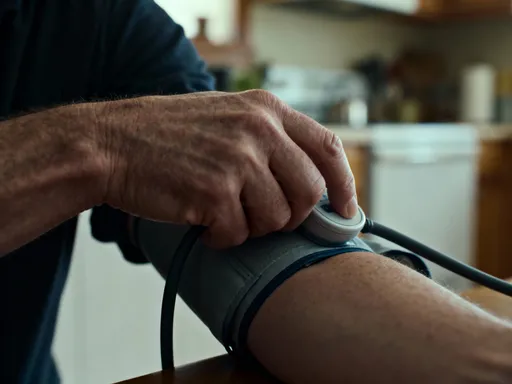
One of the most empowering tools I adopted was regular home blood pressure monitoring. At first, I was nervous about checking too often or reacting to every fluctuation. But I learned to use the data wisely. I took readings at the same time each day, sat quietly for five minutes beforehand, and kept a simple log in a notebook. Over time, patterns emerged.
I noticed that my numbers were higher after salty meals, during stressful days, or after poor sleep. This awareness helped me make informed choices. Instead of seeing the monitor as a judge, I treated it as a feedback tool—like a compass guiding my decisions. I didn’t panic over a single high reading; I looked for trends over time. If my numbers stayed elevated for several days, I consulted my doctor. This approach kept me engaged without becoming anxious.
Tracking also helped me celebrate progress. Seeing my average readings move from 148/94 to 128/82 over ten weeks was incredibly motivating. It reminded me that my efforts were making a real difference. But I also learned not to chase perfection. Blood pressure naturally varies, and that’s okay. The goal wasn’t to hit a perfect number every time, but to support overall cardiovascular health through consistent habits. Regular monitoring, combined with professional check-ups, gave me confidence that I was on the right path.
Lowering blood pressure doesn’t require perfection—just persistence. These changes weren’t about drastic overhauls but consistent, manageable choices that added up. What worked for me might not work exactly the same for you, but the core truth remains: small steps lead to real progress. Health improvement is personal, ongoing, and worth every effort. Always remember: this journey complements professional care—it never replaces it.