How I Fixed My Hair and Calmed My Mind: An Honest Breakdown
Ever noticed your hair thinning or breaking more when life gets overwhelming? You're not alone. Stress doesn’t just mess with your mood—it directly impacts your hair health. I’ve been there, staring at strands in my brush, feeling helpless. But after months of testing routines, tuning into my body, and blending smart hair care with real stress relief, I saw changes I never expected. This isn’t magic—it’s method. Let me walk you through what actually worked.
The Hair-Stress Connection: More Than Just Hype
Many women in their 30s to 50s begin noticing changes in their hair—more strands on the pillow, thinner ponytails, or split ends that seem impossible to outgrow. While aging and hormones play a role, one of the most overlooked triggers is chronic stress. The body responds to emotional and physical strain in measurable ways, and the hair growth cycle is highly sensitive to these shifts. When under prolonged pressure, the body may push more hair follicles into a resting phase known as telogen. This condition, called telogen effluvium, typically leads to noticeable shedding about two to three months after a stressful event. It’s not permanent, but it can be alarming.
Cortisol, often referred to as the “stress hormone,” plays a central role in this process. When cortisol levels remain elevated due to ongoing life demands—work deadlines, caregiving responsibilities, financial concerns, or sleep disruptions—it can interfere with the normal rhythm of hair renewal. Blood flow to the scalp may decrease, and essential nutrients may be redirected to more vital organs, leaving hair follicles undernourished. Additionally, high cortisol can trigger inflammation, which further disrupts the scalp environment. This biological response is not a sign of weakness; it’s the body’s way of prioritizing survival over appearance.
Real-life situations often mirror this science. A mother juggling a full-time job and household duties may find her hair thinning after a series of sleepless nights. Another woman recovering from a period of emotional grief might notice her once-thick hair becoming brittle and slow to grow. These experiences are not isolated. Studies have shown that psychological stress can be a significant contributor to hair loss, even in the absence of underlying medical conditions. Recognizing this link is the first step toward meaningful change. It shifts the focus from superficial fixes to addressing root causes—particularly the mind-body connection that so often goes unattended.
Spotting the Signs: When Hair Changes Signal Stress
Understanding the early warning signs of stress-related hair changes can make a meaningful difference in how quickly and effectively you respond. One of the most common indicators is increased shedding—finding more hair than usual on your brush, shower drain, or clothing. While it’s normal to lose 50 to 100 strands a day, a sudden uptick, especially in clumps, may signal that your body is reacting to internal strain. Another clue is a change in texture: hair may feel drier, weaker, or less elastic, breaking more easily when combed or styled.
Slower growth is another subtle but telling sign. If your hair seems stuck at a certain length or takes longer to grow past the shoulders, stress could be disrupting the anagen (growth) phase of the hair cycle. Scalp sensitivity is also worth noting—some women report increased itchiness, tightness, or even flakiness during high-stress periods. These symptoms are not always caused by poor hygiene or product buildup; they may reflect reduced circulation or heightened inflammation due to cortisol.
It’s important to distinguish stress-related hair changes from other potential causes. Nutritional deficiencies—particularly in iron, vitamin D, and B vitamins—can mimic similar symptoms. Hormonal shifts during perimenopause or after childbirth are also common culprits. However, what sets stress-induced changes apart is their timing and context. If the hair changes coincide with a known period of emotional or physical strain, and if other health markers are stable, stress is likely a key factor. Early recognition allows for timely intervention, preventing further loss and supporting the body’s natural recovery process. Paying attention to these signals isn’t vanity—it’s self-awareness in action.
Mind-First Hair Care: Rethinking Your Routine
For years, the beauty industry has promoted external solutions—shampoos, serums, supplements—as the primary path to healthier hair. While these can play a supportive role, they often miss the deeper issue: true hair wellness begins in the mind. A growing body of evidence supports the idea that mental and emotional health directly influence physical appearance, including hair quality. This doesn’t mean stress is the only factor, but it is one of the most modifiable. By shifting the focus from products to practices, women can create lasting improvements that go beyond surface-level results.
Self-care habits such as consistent sleep, mindfulness, and breathing exercises have been shown to lower cortisol levels and support overall hormonal balance. When the nervous system is calmer, the body can redirect energy and nutrients to areas like the scalp that were previously deprioritized. Deep, restorative sleep, for example, is when the body repairs tissues and regenerates cells—including hair follicles. Mindfulness practices, even as simple as five minutes of focused breathing each day, can reduce anxiety and improve circulation, both of which benefit hair health.
Real-life examples illustrate this shift. One woman in her early 40s reported significant hair regrowth after committing to a nightly routine of journaling and herbal tea, reducing her screen time before bed, and practicing gentle yoga. Another began noticing less shedding within two months of starting a daily walking meditation, even without changing her hair products. These aren’t isolated cases—they reflect a broader pattern: when women prioritize mental well-being, their hair often follows. Treating hair health from the inside out isn’t a trend; it’s a return to holistic living, where appearance and inner state are seen as interconnected parts of the same whole.
Daily Rituals That Work: Simple Shifts, Real Results
Transforming hair health doesn’t require drastic overhauls or expensive treatments. Often, the most effective changes are simple, sustainable habits that fit naturally into a busy life. A three-part daily approach—scalp massage, consistent sleep scheduling, and digital detox—has proven particularly effective for women managing stress-related hair concerns. Each of these practices targets cortisol reduction and improves blood flow to the scalp, creating an environment where hair can thrive.
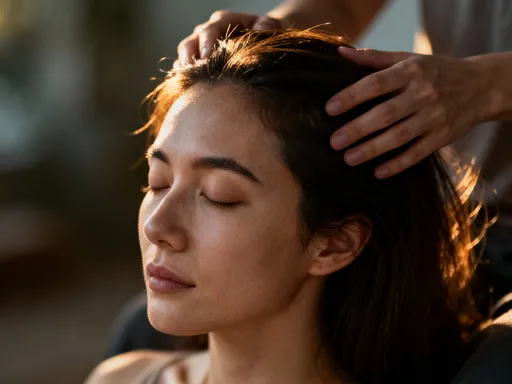
Scalp massage is a powerful yet underused tool. Just five to ten minutes a day can stimulate circulation, loosen tension in the head and neck muscles, and promote relaxation. Using fingertips or a soft-bristled brush, gently massage the scalp in circular motions, focusing on areas that feel tight. Some women find added benefit in using a jade roller or gua sha tool designed for facial and scalp use, though clean hands work perfectly well. The rhythmic motion not only increases nutrient delivery to follicles but also activates the parasympathetic nervous system, helping the body shift from “fight or flight” to “rest and digest” mode.
Equally important is maintaining a consistent sleep schedule. Going to bed and waking up at the same time every day—even on weekends—helps regulate the body’s internal clock and supports balanced cortisol levels. Creating a wind-down routine, such as dimming lights, reading a book, or sipping caffeine-free tea, signals to the brain that it’s time to relax. Aim for seven to eight hours of uninterrupted sleep, as this is when the body performs its most critical repair work.
Digital detox is another key component. Constant exposure to screens, especially before bedtime, can overstimulate the mind and delay melatonin release, making it harder to fall asleep. Setting boundaries—such as no devices one hour before bed or designating phone-free zones in the home—can significantly reduce mental clutter. Over time, these small shifts compound, leading to not only better hair but improved mood, focus, and energy levels. The goal isn’t perfection but progress, one mindful choice at a time.
Movement as Medicine: Exercise for Hair and Mind
Physical activity is one of the most effective, science-backed ways to reduce stress and support hair health. Exercise increases blood circulation throughout the body, including the scalp, ensuring that hair follicles receive a steady supply of oxygen and nutrients. At the same time, it helps regulate cortisol and boosts endorphins—natural mood lifters that ease anxiety and improve sleep quality. The good news? You don’t need intense workouts to reap these benefits. Moderate, consistent movement is more effective than sporadic, high-effort sessions.
Walking is one of the most accessible and beneficial forms of exercise. A daily 30-minute walk, whether in a park, neighborhood, or on a treadmill, can significantly lower stress levels and improve circulation. Yoga is another excellent option, combining physical movement with breath control and mindfulness. Gentle poses like child’s pose, forward folds, and seated twists help release tension in the neck and shoulders, areas where stress often accumulates. Light strength training, such as using resistance bands or bodyweight exercises, also supports hormonal balance and overall vitality.
The key is consistency, not intensity. Women who incorporate small amounts of movement into their daily routines—like stretching in the morning, taking short walks after meals, or doing a 10-minute home workout—often report not only stronger, shinier hair but also improved mood and mental clarity. Movement doesn’t have to be a chore; it can be a form of self-respect, a daily reminder that your body is worth caring for. Over time, these habits build resilience, making it easier to handle life’s pressures without sacrificing your health or appearance.
What to Avoid: Common Traps That Make Things Worse
When dealing with hair changes, it’s easy to fall into habits that unintentionally worsen the situation. One common mistake is over-washing the hair, especially in an attempt to “cleanse” the scalp or reduce oiliness during stressful times. However, frequent shampooing can strip the scalp of its natural oils, leading to dryness, irritation, and increased breakage. Limiting washes to two or three times per week, using sulfate-free formulas, and focusing on gentle scalp care can help maintain a healthier balance.
Heat styling is another area where good intentions backfire. In moments of stress, many women turn to flat irons, curling wands, or blow dryers to feel more put together. But excessive heat can weaken the hair shaft, making strands more prone to splitting and fraying. When the body is already under strain, adding thermal damage only compounds the problem. Opting for heat-free styles—such as braids, buns, or air-drying with a microfiber towel—can protect hair while still looking polished.
Aggressive brushing, especially when hair is wet and vulnerable, can also contribute to breakage. Using a wide-tooth comb and starting from the ends, working upward slowly, minimizes tension. Emotional coping mechanisms, such as hair-pulling or twirling, may also emerge during periods of anxiety. Becoming aware of these habits is the first step toward replacing them with gentler alternatives, like fidget tools or stress balls. Protective styles, such as loose braids or silk-covered ponytails, can reduce manipulation and friction. Above all, replacing self-criticism with compassion allows space for healing—both for the hair and the mind.
Building a Sustainable Routine: Long-Term Gains Over Quick Fixes
One of the most important lessons in restoring hair health is patience. Hair grows slowly—about half an inch per month—and the full cycle from growth to shedding can take two to six years. This means that changes in routine may take several months before visible results appear. Quick fixes, such as harsh treatments or miracle supplements, often promise fast results but rarely deliver lasting improvement. Sustainable progress comes from consistent, gentle care that supports the body’s natural rhythms.
Tracking progress can help maintain motivation. Taking monthly photos under the same lighting, journaling mood patterns, and noting changes in shedding or texture provide tangible evidence of improvement, even when it feels slow. Some women find it helpful to keep a simple log of sleep quality, exercise, and self-care practices, creating a clearer picture of what supports their well-being. Over time, these records reveal patterns and reinforce positive habits.
Ultimately, the goal is to shift mindset—from seeing hair as a cosmetic concern to viewing it as a reflection of overall health. When you care for your mind, your sleep, your movement, and your daily rituals, your hair benefits as a natural byproduct. This approach fosters resilience, not just in appearance but in energy, confidence, and emotional balance. It’s not about achieving perfection but about honoring your body with small, consistent acts of care. Start where you are, use what you have, and let your hair—and your mind—thank you in time.
Your hair’s health isn’t just about products—it’s a mirror of your inner state. By addressing stress with intention and adopting gentle, consistent care, you’re not just saving your strands; you’re building resilience. This journey isn’t about perfection, but awareness and small wins. Start where you are, use what you have, and let your hair (and mind) thank you later.