Feast by the Red Sea: Aqaba’s Flavors You Can’t Miss
Nestled where desert meets sea, Aqaba, Jordan, offers a dining experience as vibrant as its turquoise waters. I didn’t expect much—honestly—but the food? Mind-blowing. From smoky grilled meats to spice-laden stews, every bite tells a story. You gotta taste the maqluba fresh off the flame or sip mint tea at a seaside café as fishermen unload their catch. This is real, unfiltered Jordanian flavor—warm, bold, and unforgettable. It’s not just about sustenance; it’s about connection, tradition, and the quiet pride of a culture that serves its history on a plate. In Aqaba, meals are moments—lingering over shared mezze, laughing with strangers, watching the sun melt into the Red Sea as the scent of cumin and grilled fish fills the air. This is culinary travel at its most authentic.
Arrival in Aqaba: First Bites and First Impressions
The moment you step off the road into Aqaba’s old town, the air changes. It’s warm, yes, but layered with something richer—the briny kiss of the Red Sea, the faint char of grilling meat, and the earthy whisper of cumin and sumac drifting from open kitchen windows. This is a city that announces itself through scent. For many visitors, the first meal is unplanned, almost accidental. You’re tired from travel, drawn by the flicker of string lights over a simple sidewalk table, and suddenly you’re handed a warm pita and a plate of hummus so smooth it looks like satin, topped with golden olive oil and a sprinkle of paprika.
What surprises most is not just the flavor, but the ease of it all. There’s no pretense, no menu written in three languages with inflated prices. Just a family-run spot where the owner’s wife brings out extra pickles because she thinks you’ll like them. One traveler recalled her first night in Aqaba, sitting on a low plastic stool at a place with no sign, eating grilled kofta with onions and tomatoes. She’d expected falafel and little else. Instead, she found a meal so deeply satisfying it reset her entire idea of Jordanian food. That’s the quiet magic of Aqaba: it doesn’t try to impress. It simply offers what it has—fresh ingredients, generations-old recipes, and a generosity that feels like home.
Aqaba has long been overshadowed by Petra’s grandeur or Amman’s cosmopolitan energy. But as a culinary destination, it’s quietly coming into its own. The Red Sea’s proximity means seafood arrives daily, often still glistening. The desert climate shapes ingredients—dates are sweeter, herbs more pungent. And the city’s position as a historic trade hub has layered its cuisine with influences from the Levant, the Arabian Peninsula, and even Egypt. Yet despite all this richness, many tourists still overlook Aqaba’s food scene, assuming it’s a pit stop rather than a palate-awakening destination. Those who dig deeper discover a world where flavor isn’t curated for Instagram—it’s lived, shared, and deeply rooted in daily life.
The Heart of Jordanian Cuisine: Staples You’ll Taste Everywhere
To understand Aqaba’s food is to understand the soul of Jordanian cooking. At its core are dishes that have fed families for generations—comforting, communal, and rich with symbolism. Among the most beloved is maqluba, a rice-based casserole of eggplant, cauliflower, and chicken or lamb, cooked in fragrant spices and flipped upside down when served—hence the name, which means “upside down.” It’s often reserved for gatherings, a centerpiece that brings people together around a single platter, eating with hands and sharing stories.
Then there’s mansaf, Jordan’s national dish, traditionally made with lamb cooked in fermented dried yogurt called jameed, served over rice and flatbread. While more common in Amman or rural villages, it occasionally appears in Aqaba during celebrations or at family homes. The dish is a symbol of hospitality, often served on large communal trays, with guests encouraged to eat generously as a sign of respect. In Aqaba, you might find a lighter version, adapted to the coastal climate, with less jameed and more fresh herbs.
Kabsa, another staple, is a spiced rice dish with meat, popular across the Gulf but embraced in Jordan with local twists. In Aqaba, it’s often made with fish or shrimp, reflecting the city’s seaside identity. Musakhan, a West Bank favorite, features sumac-seasoned chicken on taboon bread with onions and olive oil. While not native to Aqaba, it’s found in homes and restaurants, a nod to the movement of people and recipes across Jordan. And then there’s warak enab—stuffed grape leaves, tender and tangy, filled with rice, herbs, and sometimes ground meat. These are labor-intensive dishes, often made in batches, shared among neighbors, or served at weddings and religious holidays.
What ties these dishes together is their reliance on a few key ingredients: high-quality olive oil, locally made yogurt, red pepper paste for depth, and aromatic rice, often imported from the Levant but treated like gold in Jordanian kitchens. Meals are rarely complete without fresh khubz (flatbread), used to scoop up food or soak up sauces. Pickles—turnips, cucumbers, carrots—are always present, their sharpness cutting through rich flavors. Tahini, that creamy sesame paste, appears in dips, dressings, and even some desserts. These elements form the backbone of the Jordanian table, a culinary language spoken from north to south, with Aqaba adding its own salty, sun-kissed accent.
Seafood with a View: Dishing Up the Red Sea’s Bounty
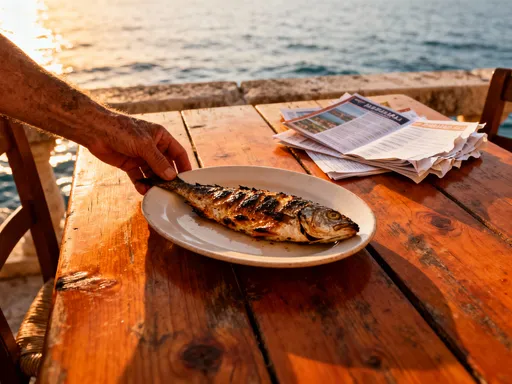
What truly sets Aqaba apart is its access to the Red Sea, one of the most biodiverse marine environments in the world. Fishermen head out before dawn, returning with gleaming hammour (grouper), kingfish, prawns, and octopus, all destined for the city’s kitchens within hours. This immediacy transforms the dining experience—what’s on your plate was swimming that morning. The best seafood restaurants are simple, often family-run, tucked along the Corniche or near the old port. They don’t need fancy decor; the view of the sea and the smell of the grill are decoration enough.
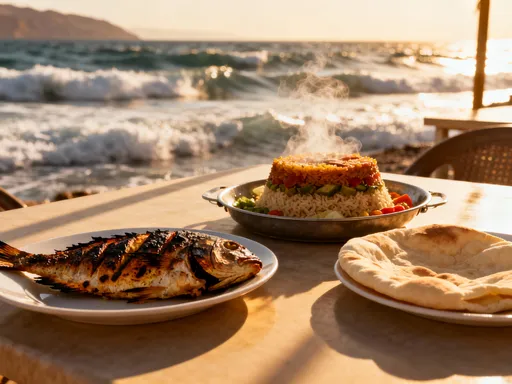
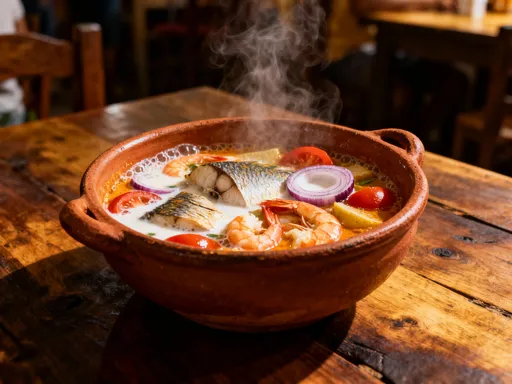
One standout dish is grilled hammour, seasoned with salt, lemon, and a blend of spices—cumin, coriander, paprika—then cooked over open flames until the skin is crisp and the flesh flakes apart. It’s served with a side of garlic toum and a pile of fresh vegetables. Even more distinctive is sayyadiya, a coastal specialty meaning “fisherman’s rice.” It features pan-seared fish atop a bed of spiced rice and deeply caramelized onions, their sweetness balancing the savory depth of the fish. The rice is tinted golden with turmeric and cardamom, and the whole dish carries a smoky aroma that lingers long after the last bite.
Dining at a seaside restaurant in Aqaba is as much about atmosphere as it is about food. Tables are often plastic, chairs mismatched, and fishing nets hang from the walls like art. The sound of waves blends with the clatter of plates and the murmur of Arabic conversation. Children run between tables, and waiters move with practiced ease, balancing trays of tea and grilled fish. For many visitors, the ideal time to dine is at sunset, when the sky turns pink and the sea glows like liquid copper. It’s a moment of pure sensory harmony—cool breeze, warm food, and the gentle rhythm of the tide. Some restaurants even allow you to choose your fish from a display, ensuring transparency and freshness. This closeness to the source is rare in modern dining, and in Aqaba, it’s not a gimmick—it’s just how things are done.
Hidden Eats: Off-the-Beaten-Path Spots Worth Finding
Beyond the well-trodden Corniche and tourist-friendly cafes, Aqaba hides a network of culinary gems known mostly to locals. These are the places without websites, menus in English, or even proper signage. They don’t need them. Their reputation is built on word of mouth, the kind passed from neighbor to neighbor or whispered by a taxi driver who knows where his family eats. Finding these spots requires curiosity, a bit of courage, and a willingness to get lost in the narrow lanes of the old city.
One such place is a tiny kitchen run by an elderly couple near the fish market. They open only in the evenings, serving a single dish: spiced lamb sandwiches on freshly baked markook bread. The lamb is slow-cooked with onions, cinnamon, and black lime, then shredded and stuffed into the bread with pickles and tahini. It’s messy, delicious, and sold out by 8 p.m. Another favorite is a no-name grill tucked behind a parking lot, where a man in an apron tends to a charcoal fire, turning skewers of kofta and chicken liver. The only seating is a few crates, but the flavor is undeniable—smoky, juicy, and perfectly spiced.
For something sweet, seek out a home-based dessert maker who sells qatayef during Ramadan and special occasions. These small, stuffed pancakes—filled with cheese, nuts, or sweet cream—are fried or baked and drenched in rosewater syrup. She takes orders by phone, and you pick them up warm in a paper bag. There’s no storefront, just a name and a number passed among friends. These hidden kitchens aren’t just about food—they’re about trust, tradition, and the quiet pride of doing one thing exceptionally well.
The best way to find these spots is to ask. Not hotel staff, necessarily, but taxi drivers, shopkeepers, or the woman selling dates at the market. A simple “Where do you eat?” often leads to a smile and a quick recommendation. Don’t be afraid to follow a crowd or peer into a doorway where the smell of cumin and garlic pulls you in. In Aqaba, the most authentic experiences rarely come with a brochure. They come with a story, a shared laugh, and a plate of something unforgettable.
Street Food Adventures: Quick Bites That Deliver Big Flavor
Aqaba’s street food scene is alive, vibrant, and deeply woven into daily life. From dawn until late evening, corners of the city buzz with activity—grills sizzle, juices are pressed on demand, and flatbreads puff up over open flames. This is food meant to be eaten on the go, shared with a friend, or enjoyed while strolling along the waterfront. It’s also some of the most affordable and delicious eating in the city.
One of the most iconic street foods is shawarma, and Aqaba does it exceptionally well. Thin slices of marinated chicken or lamb are stacked on a vertical rotisserie, slow-roasted until crisp at the edges, then shaved off and wrapped in soft khubz or paper-thin markook bread. It’s dressed with garlic sauce, pickles, and sometimes fries—yes, fries inside the wrap, a Jordanian twist that adds crunch and comfort. Best enjoyed standing at a counter, watching the shawarma master at work, knife in hand, precision in every cut.
Another favorite is sambousek, a deep-fried pastry triangle filled with spiced beef, cheese, or spinach. Crispy on the outside, rich and savory within, it’s a popular snack before prayers or after shopping. Fresh juices are also a must—bright pink beet and carrot, tangy tamarind, or sweet-sour pomegranate, all pressed to order. Vendors stand behind carts piled with fruit, asking “Shakeel? Sweet? Light sugar?” as they blend your drink with ice and a splash of water.
For hygiene-conscious travelers, the key is to choose busy stalls with high turnover. A crowded cart is usually a good sign—food isn’t sitting out, and ingredients are fresh. Look for vendors who handle money and food separately, and don’t hesitate to bring hand sanitizer. But don’t let caution keep you from trying. Street food is where Aqaba’s culinary heart beats loudest. Pair your meal with a walk along King Hussein Street or the Corniche, where the sea breeze cools the air and the city unfolds around you—mosque domes, sailboats, children flying kites. It’s in these moments, eating a warm sambousek with the sun on your face, that travel feels most alive.
Sweet Endings: Desserts and Drinks That Complete the Meal
No meal in Aqaba is truly complete without something sweet. Jordanian desserts are rich, fragrant, and often drenched in syrup—indulgences meant to be shared and savored slowly. The most famous is knafeh, a warm, gooey pastry made with thin noodle-like dough or semolina, layered with soft white cheese, baked until golden, and soaked in sugar syrup flavored with orange blossom or rosewater. Served hot, often with a sprinkle of crushed pistachios, it’s a textural dream—crispy on top, stretchy in the middle, sweet but balanced by the cheese’s slight saltiness.
While knafeh is found across the Levant, Aqaba has its own rhythm with it. Some bakeries specialize in it, pulling trays from the oven every few hours. Locals time their visits to catch it fresh. Others prefer it at home, made by a grandmother who guards her recipe like a secret. Then there’s baklava, layers of flaky phyllo filled with nuts and syrup, often enjoyed with tea. Less common but equally delightful are rosewater-infused puddings like muhallebi, chilled and dusted with cinnamon, or qazma, a thick, date-based confection served during winter months.
Drinks play an equally important role in the dessert experience. Arabic coffee is light, cardamom-scented, and served in small cups—never refilled more than three times, as per tradition. Mint tea is popular, especially in seaside cafes, where it’s poured from a height to create foam. Tamarind juice, tart and refreshing, cuts through the sweetness of rich pastries. These drinks aren’t just accompaniments; they’re rituals, part of the slow, unhurried way Jordanians approach meals.
For many visitors, the best dessert moments happen in quiet corners—a family-run pastry shop with lace curtains, or a café where the owner brings extra sweets “just because.” One traveler recalled sharing knafeh with a local family who invited her to join their table. They spoke little English, she spoke no Arabic, but they communicated through gestures, laughter, and the universal language of food. That night, she didn’t just taste dessert—she tasted belonging.
Beyond the Plate: How Food Connects You to Place and People
Dining in Aqaba is never just about eating. It’s about slowing down, opening up, and letting a place reveal itself one meal at a time. The warmth of Jordanian hospitality isn’t performative—it’s woven into the way food is offered, shared, and celebrated. A server might bring an extra dish “on the house,” not because you’re a tourist, but because it’s what you do when someone is at your table. A chef might step out of the kitchen to ask if you liked the fish. A family might wave you over to try their homemade musakhan.
These interactions aren’t scripted. They’re real, spontaneous, and deeply human. They remind us that food is more than fuel—it’s a bridge. In Aqaba, that bridge connects you to the Red Sea’s tides, to the spice routes of ancient traders, to the daily rhythms of a city that values generosity above all. It connects you to people whose lives may look different from yours, but whose joy in sharing a meal feels universal.
And that’s why Aqaba’s dining scene deserves global attention. It’s not flashy or trendy. It doesn’t need Michelin stars. What it has is authenticity—dishes made with care, served with pride, and eaten with gratitude. It’s a reminder that the best travel experiences aren’t found in guidebooks, but in the quiet moments: sipping tea as the sun sets, laughing over a shared plate of knafeh, listening to stories told through food.
Long after you’ve left Aqaba, it’s these flavors—and the feelings they carried—that stay with you. Not just the taste of maqluba or the scent of grilled hammour, but the warmth of being welcomed, the comfort of being fed, the joy of connection. In a world that often feels rushed and distant, Aqaba offers something rare: a meal that feels like home, even if you’ve never been there before.