You Won’t Believe Nairobi’s Wild Terrain—This Is Next-Level Adventure
Nairobi isn’t just a city—it’s a gateway to some of the most unexpected landscapes on Earth. From volcanic hills to vast savannas teeming with wildlife, the terrain here defies expectations. I was stunned by how much raw nature thrives just minutes from urban life. If you're craving adventure that feels both authentic and untouched, Nairobi’s natural playground will blow your mind. Let’s dive into the real magic of this one-of-a-kind destination.
The Urban Edge Meets Untamed Wilderness
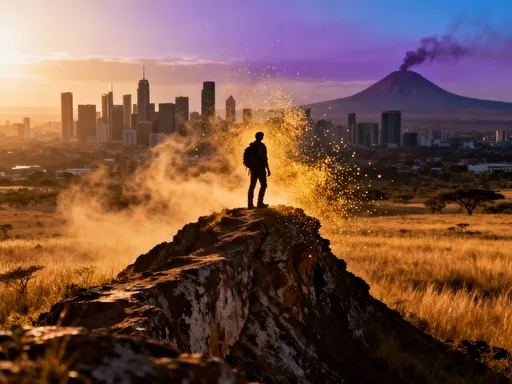
Nairobi stands alone among global capitals for its seamless fusion of cityscape and wild frontier. Just a short drive from the bustling Central Business District, travelers encounter Nairobi National Park—one of the few protected areas in the world that shares an unfenced border with a major metropolis. Here, the skyline of modern high-rises forms a surreal backdrop to open grasslands where black rhinos, lions, giraffes, and wildebeests roam freely. This rare coexistence is not a tourist illusion but a daily reality, making Nairobi a living laboratory of human-wildlife balance.
The park spans approximately 117 square kilometers and serves as a sanctuary for over 100 recorded species of mammals. Its open southern boundary allows seasonal wildlife movement into the Athi-Kapiti plains, a critical corridor for migration. For visitors, the experience begins the moment they enter the park gates—zebras grazing near acacia trees, vultures circling above termite mounds, and the distant roar of a lion at dusk. These are not staged encounters; they are spontaneous moments of wild authenticity.
What makes this terrain so remarkable is its accessibility. Families, solo travelers, and first-time safari goers can witness big game without enduring long journeys into remote regions. Morning game drives often reveal predators on the prowl while office workers commute nearby. The juxtaposition is jarring yet inspiring—a reminder that nature need not be sacrificed for progress. Conservationists credit this model to early urban planning foresight and ongoing community engagement, proving that cities and wilderness can thrive side by side when protected with intention.
Rising Above: The Hills and Rift Valley Vistas
Beyond the plains, Nairobi’s dramatic elevation offers breathtaking vantage points shaped by tectonic forces millions of years in the making. Sitting at an average altitude of 1,795 meters (5,889 feet), the city lies on the eastern rim of the Great Rift Valley—a massive geological trench stretching from Syria to Mozambique. This positioning gifts Nairobi with rolling hills and escarpments that provide both physical challenge and visual splendor.
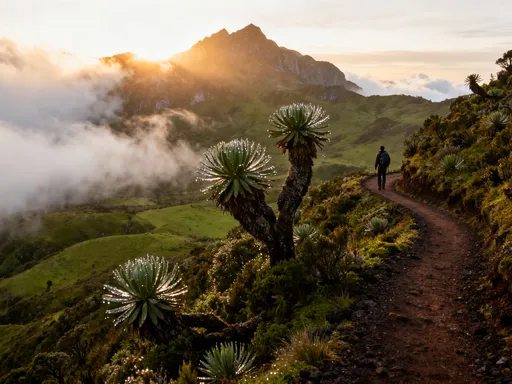
The Ngong Hills, located about 25 kilometers southwest of the city center, are a favorite among hikers and nature enthusiasts. A well-marked trail winds through four distinct peaks, culminating in a summit that reaches 2,460 meters. The climb is moderate, suitable for beginners and families, yet the panoramic payoff is extraordinary. On clear days, visitors can see across the valley into Kenya’s southern rangelands, with clouds drifting below like slow-moving rivers.
These hills are more than scenic landmarks—they are cultural touchstones. The name “Ngong” comes from the Maasai word *enkong’u*, meaning “place of the cows,” reflecting centuries of pastoral heritage. Today, guided walks often include stories from local Maasai communities who share insights about traditional land use, medicinal plants, and celestial navigation. Hikers may spot dik-diks, bushbuck, and over 200 species of birds, including the vibrant Hartlaub’s turaco.
Further north, the Ol Donyo Sabuk Mountain offers another elevated escape. Closer to the city than many realize, this isolated volcanic hill rises abruptly from the surrounding plains, crowned with lush forests and home to a national park. A hike to its summit reveals ruins of a former governor’s residence and sweeping views of the Athi River Valley. The terrain here shifts dramatically—from dry savanna at the base to misty montane forest near the peak—demonstrating Nairobi’s surprising ecological range within compact geography.
Green Lungs of the City: Forests and Nature Trails
Amid Nairobi’s expanding urban footprint, green spaces like Karura Forest stand as vital sanctuaries for both people and wildlife. Once threatened by development, this 1,041-acre forest was saved through a landmark campaign led by Nobel Peace Prize laureate Wangari Maathai and the Green Belt Movement. Today, it thrives as a symbol of environmental resilience and community action.
Trails meander through dense canopy, past waterfalls, and along the meandering streams of the River Karura. Joggers, families, and birdwatchers frequent the network of well-maintained paths, which include dedicated routes for cycling and guided nature walks. The forest is home to troops of Vervet and Sykes monkeys, bushbabies, and over 400 plant species. Birdlife is especially rich, with sightings of the African crowned eagle, turacos, and sunbirds common even on weekday mornings.
What sets Karura apart is its dual role as a conservation site and educational hub. School groups visit regularly to learn about reforestation, water cycles, and sustainable living. Signage along the trails highlights native tree species and their ecological roles, turning a simple walk into an immersive lesson in environmental stewardship. Restoration efforts have successfully revived degraded areas, proving that urban ecosystems can recover when given time and care.
Other urban forests, such as Uhuru Park and Central Park, also contribute to Nairobi’s green infrastructure. While smaller in scale, they offer accessible retreats in the heart of the city. Together, these green lungs help regulate temperature, filter air pollution, and provide mental health benefits to residents. For visitors, they represent a different kind of adventure—one rooted in quiet reflection, connection with nature, and appreciation for the city’s commitment to preserving its natural soul.
Waterways and Valleys: Exploring Nairobi’s Natural Drainage Systems
Though often overlooked, Nairobi’s rivers and valleys play a crucial role in shaping its terrain and supporting biodiversity. The Nairobi River, despite historical pollution challenges, remains a key ecological artery flowing through several neighborhoods before joining the Athi River. Recent rehabilitation projects have improved water quality, allowing native fish, otters, and waterfowl to return to stretches once deemed lifeless.
Eco-trails now follow parts of the river’s course, particularly in protected zones like the Nairobi River Greenway. These paths offer safe, scenic routes for walking and birdwatching, with interpretive signs explaining watershed dynamics and the importance of riparian buffers. Community-led clean-up initiatives have fostered local ownership, turning neglected banks into vibrant public spaces.
The Athi River, one of Kenya’s longest waterways, begins east of Nairobi and cuts through dramatic valleys that influence regional travel and settlement patterns. Its gorge-like sections create natural corridors used by wildlife and hikers alike. Along its upper reaches, small rapids and rocky pools provide habitat for amphibians and insects, forming the base of a complex food web. Seasonal flooding enriches the soil, supporting grasslands that attract herbivores and, in turn, predators.
For responsible visitors, exploring these waterways means adhering to eco-friendly practices: staying on marked trails, avoiding littering, and respecting wildlife habitats. Local conservation groups offer guided walks that emphasize the connection between clean water and healthy communities. By viewing rivers not as backdrops but as living systems, travelers gain deeper insight into how Nairobi’s terrain sustains life in ways both visible and hidden.
Beyond the City: Day Trips to Unique Geological Sites
Just beyond Nairobi’s outskirts lie some of East Africa’s most striking geological wonders—easily reachable for day excursions yet profoundly different in character. Hell’s Gate National Park, located about 90 kilometers northwest of the city, is a standout destination for those seeking raw, untamed landscapes. Unlike most Kenyan parks, it allows visitors to explore on foot, by bicycle, or even on motorbike—offering an unparalleled sense of immersion.
The park’s terrain is shaped by volcanic activity, with towering cliffs, steam vents, and the dramatic Fischer’s Tower rising like a sentinel from the valley floor. Cyclists glide through narrow gorges flanked by red rock walls, while hikers navigate paths between geothermal power plants that harness the Earth’s heat. This blend of natural wonder and renewable energy innovation makes Hell’s Gate a powerful example of sustainable coexistence.
Lake Naivasha, another accessible gem, lies within the Great Rift Valley and presents a contrasting ecosystem. This freshwater lake is ringed by acacia woodlands and supports a rich array of wildlife, including hippos, pelicans, and colobus monkeys. Boat rides offer close-up views of bird colonies nesting in papyrus swamps, while guided walks along the Crescent Island Game Reserve allow silent exploration of free-roaming herbivores.
What unites these destinations is their diversity. In a single day, one can cycle through a volcanic canyon, picnic beside a tranquil lake, and watch flamingos feed at sunset—all within a two-hour drive from Nairobi. These trips expand the traveler’s understanding of Kenya’s terrain beyond the classic safari image, revealing layers of geological history, ecological adaptation, and human ingenuity.
Wildlife in Unexpected Places: Where Terrain Shapes Animal Movement
The movement of animals around Nairobi is not random—it is deeply influenced by the region’s varied terrain. Elevation gradients, water availability, and vegetation types all act as silent guides directing migration patterns and daily behavior. In Nairobi National Park, for example, lions often patrol the western boundary near the Ngong Hills, where cover and elevation give them strategic advantage for hunting.
Seasonal rains trigger shifts in grazing patterns, with wildebeest and zebra herds moving toward fresher grasslands in the southern plains. Conservation fencing helps manage these movements, preventing conflict with nearby communities while maintaining ecological flow. Wildlife corridors—narrow strips of protected land—connect fragmented habitats, allowing animals to traverse urban-adjacent zones safely.
Bird migration also follows terrain cues. Raptors like augur buzzards ride thermal currents along the Rift Valley escarpment during their annual journeys, while waterbirds congregate at wetlands like Kitengela and Athi River floodplains. These patterns underscore the importance of preserving not just individual parks but the entire landscape matrix that supports life.
For visitors, ethical wildlife viewing means respecting distance, avoiding noise, and supporting conservation-focused operators. It also means recognizing that every sighting—whether of a rhino in the grass or a mongoose darting across a trail—is made possible by careful land management. The terrain itself becomes a teacher, showing how elevation, water, and vegetation intertwine to sustain balance in one of the world’s most dynamic urban-wild interfaces.
Planning Your Terrain Adventure: Practical Tips and Seasonal Insights
Embarking on a terrain-based adventure in and around Nairobi requires thoughtful preparation, but the rewards are well worth the effort. The best time to visit is during the dry seasons—June to October and January to February—when trails are accessible, wildlife is more visible near water sources, and skies remain clear for optimal photography and hiking.
Packing essentials include lightweight, layered clothing to accommodate temperature shifts, sturdy walking shoes, sunscreen, a wide-brimmed hat, and a refillable water bottle. A good pair of binoculars enhances wildlife and birdwatching experiences, while a field guide or mobile app can help identify species. Insect repellent is recommended, especially near water bodies, though Nairobi’s elevation generally limits mosquito activity compared to lower regions.
Transportation options vary. Self-drive visitors should ensure their vehicles are in good condition, particularly for unpaved roads leading to parks like Hell’s Gate. Alternatively, reputable tour operators offer guided day trips with experienced drivers and naturalists. For those relying on public transit, matatus (minibuses) serve major access points, though scheduling can be unpredictable.
Hiring a local guide is highly recommended, especially for hikes and nature walks. Guides from community conservancies provide invaluable knowledge about flora, fauna, and cultural history while supporting local livelihoods. They also ensure safety, help interpret animal behavior, and promote low-impact practices such as staying on trails and minimizing noise.
Safety considerations include avoiding isolated areas after dark, carrying a charged mobile phone, and informing someone of your itinerary. Most parks have ranger stations and emergency protocols in place. Above all, travelers should practice Leave No Trace principles—carrying out all waste, refraining from feeding animals, and respecting signage and boundaries.
By planning mindfully, visitors contribute to the long-term preservation of Nairobi’s unique terrain. Every responsible choice, from choosing eco-conscious tours to supporting conservation fees, helps protect these spaces for future generations.
Nairobi’s terrain is more than scenery—it’s a living, breathing part of the travel experience. From quiet forest paths to sweeping savannas, each landscape tells a story of resilience and harmony. By stepping into these spaces, travelers don’t just see Kenya—they feel it. The real journey begins where the pavement ends.