Through the Lens of Sochi: Where Mountains Meet the Sea in Perfect Focus
Have you ever pointed your camera at a scene and felt like the viewfinder just couldn’t capture its true magic? That’s Sochi for you—a place where alpine peaks plunge into the Black Sea, and every turn offers a postcard-ready moment. I went chasing light and landscapes, and came back with frames I still can’t believe are real. This isn’t just a beach town or a mountain escape; it’s both, wild and harmonious, begging to be photographed. From the soft glow of sunrise over the water to the sharp silhouettes of snow-draped ridgelines, Sochi delivers a visual symphony that rewards patience, preparation, and presence. For photographers seeking contrast, depth, and natural drama, this coastal gem offers a rare convergence of elements—sea, forest, mountain, and sky—all within a single frame.
The First Glimpse: Arriving in Sochi with a Camera in Hand
Many travelers arrive in Sochi expecting a relic of Soviet-era tourism—a faded resort city clinging to the coast. What they find instead is a vibrant, evolving landscape where nature asserts itself at every bend. The journey from Sochi International Airport to the city center is, in itself, a photographic overture. As the road winds through the Caucasus foothills, emerald forests blanket the slopes, and mist curls around the ridgelines like delicate brushstrokes on glass. Sudden clearings reveal panoramic flashes of the Black Sea, shimmering under shifting clouds, inviting the lens before you’ve even checked into your hotel.
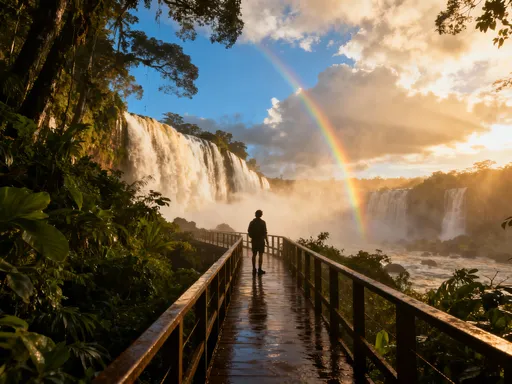
One of the first striking contrasts is how seamlessly urban life blends with untamed nature. The city’s skyline—modest in height but bold in presence—frames the coastline, yet just beyond the boulevards, waterfalls cascade down forested cliffs and ancient trees arch over quiet lanes. The Agura Waterfalls, located only 15 kilometers from the city center, are a prime example. Easily accessible via a short hike, the seven-tiered falls offer rich textures: the smoothness of wet stone, the froth of falling water, and the deep greens of surrounding foliage. Early morning visits provide soft, diffused light, minimizing harsh contrasts and allowing for balanced exposures without filters.
Another rewarding arrival-time destination is the Vorontsov Palace gardens in the Matsesta district. Though the palace itself is undergoing restoration, the surrounding gardens remain open and photogenic. Symmetrical pathways, blooming magnolias, and reflective pools create opportunities for classic composition—leading lines, symmetry, and reflections. The interplay of light through the canopy adds depth, especially during late afternoon when golden rays slice through the leaves. For best results, use a polarizing filter to reduce glare on wet surfaces and enhance color saturation without overprocessing.
Photographers should consider timing their arrival for late spring or early autumn. These shoulder seasons offer mild temperatures, fewer crowds, and optimal lighting conditions. The air tends to be clearer, with less humidity than in summer, allowing for sharper long-distance shots. A tripod is advisable for low-light scenes, particularly at dawn or dusk when the city lights begin to glow against the cooling sky. Capturing the transition from day to night along the coastal road can yield compelling time-lapse sequences or single exposures with balanced ambient and artificial light.
Coastal Light: Capturing the Black Sea Shoreline
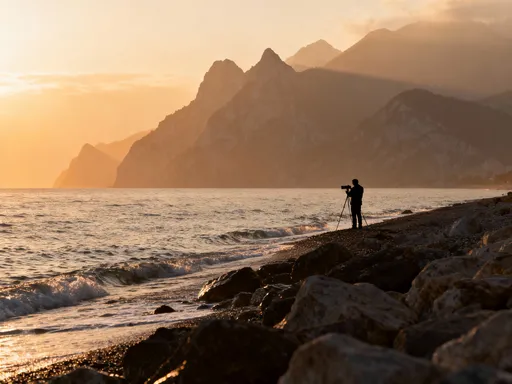
The Black Sea coast, stretching from central Sochi to the quieter districts like Lazarevskoye and Dagomys, presents a dynamic canvas for coastal photography. Unlike the Mediterranean’s cerulean clarity, the Black Sea offers a more moody palette—deep indigo in stormy weather, soft turquoise in calm shallows, and silvery reflections under overcast skies. The contrast between the urban waterfront and the raw power of the sea creates visual tension that, when framed well, tells a story of coexistence.
The embankment in downtown Sochi, known locally as Naberezhnaya, is ideal for golden hour photography. As the sun dips below the western horizon, the entire promenade glows in warm light. Shadows stretch across the tiled walkways, and the sea catches fire in rippling gold. Long exposures during this time—between 10 and 30 seconds—can smooth the waves into a glassy mirror, reflecting the silhouettes of palm trees and passing strollers. A neutral density (ND) filter is essential for achieving these effects in daylight, allowing slower shutter speeds without overexposure.
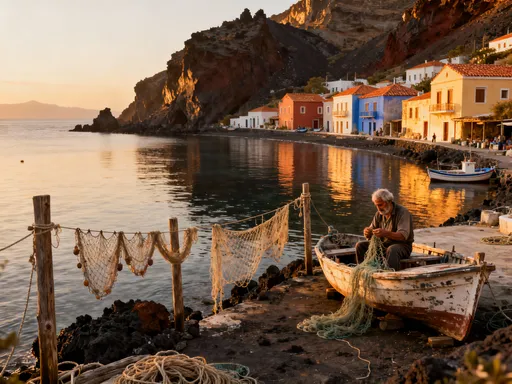
For those seeking solitude, heading north or south of the main beaches pays dividends. Areas near the Loo River mouth or the rocky outcrops near Kudepsta offer quieter compositions. Here, the shoreline is less manicured, with natural stone formations that break waves into dramatic sprays. Shooting at low tide reveals tide pools filled with seaweed and small crustaceans—perfect for macro work. A telephoto lens can compress the scene, isolating distant sailboats or the silhouette of a lone fisherman against the setting sun.
Weather along the coast can shift quickly, and sea spray is a constant challenge. Salt-laden mist can damage camera sensors and lenses if not properly protected. Carrying a microfiber cloth, lens hoods, and a rain cover is advisable. Some photographers use underwater housings even on land to safeguard gear during stormy conditions. Additionally, shooting in RAW format allows greater flexibility in post-processing, especially when correcting color casts introduced by artificial lighting or hazy skies.
One of the most iconic coastal vantage points is the old lighthouse near the Sea Port. Accessible during daylight hours, it offers a panoramic view of the harbor and the open sea. From this elevated position, wide-angle lenses can capture sweeping seascapes, while zoom lenses can isolate details—gulls in flight, cargo ships on the horizon, or the rhythmic crash of waves against the breakwater. The lighthouse itself, weathered and solitary, makes a powerful subject, especially when framed against a stormy sky.
Into the Mountains: The Photographic Magic of Krasnaya Polyana
Less than an hour’s drive from the coast, Krasnaya Polyana ushers in a completely different world. Here, the subtropical humidity gives way to crisp alpine air, and the landscape transforms into a tapestry of snow-capped peaks, rushing rivers, and dense coniferous forests. Once a quiet mountain village, Krasnaya Polyana gained global attention during the 2014 Winter Olympics, but its natural beauty predates any modern development. For photographers, it represents one of the most visually diverse zones in the region.
The Rosa Khutor area remains a focal point, not only for its ski infrastructure but for its strategic viewpoints. The gondola ride from the base to Gorki Gorod is itself a moving photo opportunity—windows offer unobstructed views of valleys unfolding below, with rivers snaking through green meadows. Upon arrival at the Observation Deck Gorki Gorod, the vista opens dramatically: the Mzymta River valley stretches out, framed by towering peaks like Aibga and Fisht. On clear days, the contrast between snow and rock is breathtaking, with shadows defining every contour.
Winter offers pristine conditions for capturing snow-laden trees, frozen waterfalls, and skiers carving fresh tracks. However, the cold presents technical challenges. Batteries drain faster in low temperatures, so carrying spares in an inner pocket is crucial. Autofocus systems can also slow down in freezing conditions, making manual focus a reliable alternative for static scenes. Using a lens warmer or hand warmer taped to the lens barrel can prevent internal fogging during temperature transitions.
Spring and early summer bring a different kind of magic. Melting snow feeds countless streams, and alpine meadows burst into bloom with edelweiss, gentians, and wild daisies. The Pseashko Waterfall, tucked into a forested ravine, becomes especially photogenic during this season. A moderate hike leads to a series of cascades, each offering unique framing opportunities. A circular polarizer helps cut through the glare on wet rocks and enhances the green tones in the moss and ferns.
Photographers should be prepared for rapid weather changes. A sunny morning can give way to afternoon fog rolling in from the mountains, obscuring views within minutes. Checking local weather forecasts and packing layers—including a waterproof jacket and thermal base—ensures comfort and readiness. Drones are permitted in some areas but require prior registration and adherence to altitude limits, especially near ski zones and residential areas.
Forest Whispers: Hidden Trails and Alpine Vistas
Beyond the well-trodden ski resorts and tourist paths, Sochi National Park shelters a network of lesser-known trails that lead to some of the most intimate and untouched natural scenes in the region. These forested corridors offer a slower, more contemplative kind of photography—one focused on texture, light, and quiet detail. The park covers over 1,900 square kilometers, encompassing everything from lowland forests to subalpine meadows, and it remains one of the most biodiverse areas in Europe.
Trails like the one leading to the Pshekha Waterfall or the path through the Khosta Gorge are ideal for nature photographers seeking solitude. Here, the forest floor is carpeted with moss, fallen logs are draped in lichen, and sunlight filters through the canopy in soft, dappled patterns. Morning fog often lingers in the lower valleys, creating an ethereal atmosphere perfect for moody, high-contrast black-and-white conversions or dreamy color tones.
Shooting in dense forest environments requires adjustments. The light is often uneven, with bright patches and deep shadows. Using exposure bracketing and blending exposures in post-processing can help retain detail in both highlights and shadows. Alternatively, a single well-exposed RAW file can be carefully adjusted to recover lost information. A tripod is invaluable in low-light conditions, allowing for longer exposures without introducing motion blur.
Natural framing is a powerful technique in these settings. Overhanging branches, twisted roots, or rock formations can serve as foreground elements that draw the eye into the image. Wide-angle lenses work well for capturing the scale of ancient trees, while macro lenses reveal the intricate beauty of dew-covered spiderwebs, beetle tracks on bark, or the delicate structure of a single fern frond.
Spring is particularly rewarding. Wildflowers bloom in bursts of purple, yellow, and white, and bird activity increases as species return from migration. A telephoto lens with a fast aperture (f/2.8 or wider) enables sharp focus on moving subjects, even in dim light. Patience is key—waiting quietly near a clearing or stream often results in unexpected moments: a deer stepping into view, a woodpecker tapping at a trunk, or sunlight suddenly breaking through the clouds.
Urban Textures: Street Photography in a Resort City
Sochi may not be as gritty or chaotic as major metropolises, but its streets hold a quiet charm that rewards attentive observation. The city’s identity is layered—Soviet-era apartment blocks stand beside modern glass-fronted cafes, and bustling markets overflow with seasonal produce. Street photography here is less about capturing fast-paced action and more about finding rhythm in daily life.
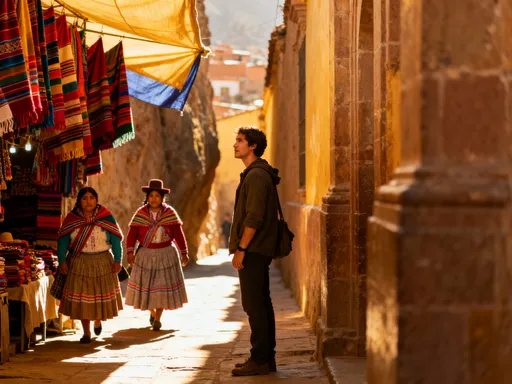
The Central Market in downtown Sochi is a sensory hub. Vendors arrange pyramids of pomegranates, baskets of walnuts, and jars of wild honey on wooden tables. The colors are rich and varied—deep reds, golden yellows, earthy browns—and the textures invite close-up shots. A 50mm prime lens is ideal for navigating tight spaces while maintaining image quality. Shooting from slightly above can emphasize patterns and repetition, while eye-level portraits convey connection and dignity.
Respect is paramount when photographing people. In many cases, a smile and a gesture indicating your camera are enough to gain silent permission. If someone objects, it’s important to lower the camera immediately and move on. Some vendors appreciate being photographed, especially if you purchase something afterward. These small exchanges can lead to more authentic, engaging images.
Architectural details also tell a story. Art Deco facades from the 1930s, wrought-iron balconies, and mosaic tiles on public buildings reflect Sochi’s historical layers. Early morning light enhances these textures, casting long shadows that emphasize depth and form. A tilt-shift lens can correct perspective distortion when shooting straight up at tall buildings, though careful post-processing can achieve similar results.
Public spaces like parks and benches often host elderly residents playing chess, reading newspapers, or simply watching the world go by. These candid moments reflect a slower pace of life, one worth preserving. A zoom lens allows discreet framing from a distance, preserving the subject’s natural behavior. The key is to remain unobtrusive—let the scene unfold rather than directing it.
Seasons in Focus: How Sochi Changes Through the Year
One of Sochi’s greatest strengths as a photographic destination is its seasonal variety. Unlike destinations that offer a single dominant aesthetic, Sochi reinvents itself with the calendar. Each season brings distinct lighting, color palettes, and natural phenomena, allowing repeat visitors to capture entirely different bodies of work.
Winter, from December to February, transforms Krasnaya Polyana into a snow globe of white peaks and frozen rivers. The contrast between snow and evergreen trees creates high-drama compositions, especially when backlit by morning sun. Ice formations along riverbanks and frozen waterfalls offer macro opportunities, with intricate crystal patterns that sparkle under diffused light. Coastal areas remain relatively mild, with palm trees dusted in snow creating surreal juxtapositions.
Spring, particularly April and May, is a time of renewal. The lowlands bloom with azaleas, rhododendrons, and tulips, while mountain meadows begin to thaw. This is an ideal time for wildflower photography and capturing the first signs of life after winter. Birdsong returns, and rivers swell with meltwater, creating dynamic flow shots. The air is crisp, and fog often lingers in the valleys, adding mood and mystery to images.
Summer, while popular with tourists, presents challenges. High humidity can reduce visibility and create hazy skies, especially in July and August. However, early mornings and late evenings still offer soft light, and thunderstorms can produce dramatic cloud formations and rainbow breaks. Coastal festivals and open-air concerts provide cultural photo opportunities, though crowds require careful composition.
Autumn, from September to November, may be the most photogenic season. The forests ignite with color—golden birches, crimson maples, and burnt-orange oaks. The light becomes softer, with a warm, nostalgic quality. Fungi emerge on fallen logs, and mist returns to the valleys. This is an excellent time for forest photography, with rich textures and layered colors that respond beautifully to both color and monochrome processing.
The Photographer’s Toolkit: Practical Tips for Shooting in Sochi
Success in Sochi depends not just on vision but on preparation. The range of environments—from sea level to alpine zones—demands adaptable gear and thoughtful planning. A versatile zoom lens (24-70mm f/2.8) serves well for general use, while a telephoto (70-200mm) excels in mountain and wildlife shots. A wide-angle (16-35mm) is essential for landscapes and architectural interiors. Tripods, lens filters (polarizer, ND, graduated ND), and extra batteries are non-negotiable.
Transportation between zones is efficient but requires scheduling. Local buses connect major areas, but renting a car offers greater flexibility, especially for reaching remote trails. GPS apps work well, though offline maps are recommended in mountainous regions with spotty signal. Trains run frequently between Sochi and Adler, with scenic views along the coast.
Local etiquette is generally welcoming, but discretion matters. Always ask before photographing individuals, especially in rural villages. Avoid using drones near protected areas or crowds without proper authorization. National parks may require small entrance fees or registration, but the access is well worth it.
Weather preparedness is critical. Sudden downpours, temperature drops, or fog can disrupt plans. Packing waterproof gear, warm layers, and silica gel packs to prevent lens fogging ensures you stay ready. Digital backups are essential—carrying portable SSDs or cloud-syncing services protects your work. Labeling memory cards and organizing files daily prevents loss.
Finally, ethical photography means respecting nature. Stay on marked trails, avoid disturbing wildlife, and leave no trace. The beauty of Sochi lies in its authenticity—preserving that integrity ensures it remains a source of inspiration for generations.
Conclusion: More Than Just Pictures
Photographing Sochi is not merely an exercise in technique or gear selection. It is an invitation to witness harmony—between sea and summit, city and forest, light and shadow. Each image captured here carries more than visual detail; it holds the feeling of standing at the edge of two worlds, where the pulse of the ocean meets the stillness of the mountains. For women who seek meaningful travel—those between 30 and 55 who value beauty, balance, and personal growth—Sochi offers a rare blend of accessibility and awe.
The photographs you bring home are not just souvenirs. They are testaments to moments of clarity, of being fully present in a place that defies simple categorization. Whether it’s the first light hitting a snowfield, the laughter of a market vendor, or the quiet of a forest after rain, these images become part of your inner landscape. Sochi doesn’t just fill your memory card—it fills your spirit. And in the end, that’s the most powerful frame of all.