Seoul's Hidden Architectural Gems You Can't Miss
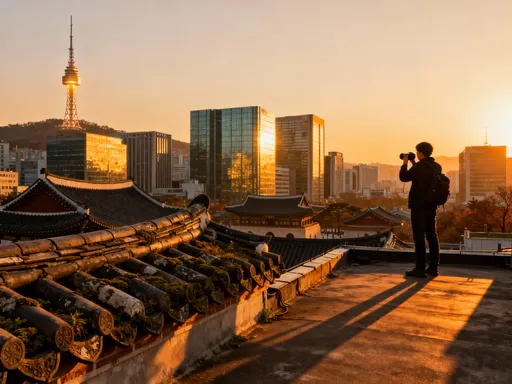
Seoul is a city where tradition and modernity collide in the most stunning ways. From ancient palaces with tiled rooftops to sleek skyscrapers piercing the sky, the architectural landscape tells a story of resilience, innovation, and beauty. As someone who’s wandered its streets with a camera in hand, I’ve discovered corners of the city where design and culture merge into pure visual poetry. These are not just buildings—they’re experiences waiting to be captured. Every alley, rooftop, and courtyard offers a new perspective on how Seoul honors its past while boldly shaping its future. For the thoughtful traveler, especially those who appreciate quiet elegance and meaningful design, this city reveals its soul through architecture.
The Timeless Elegance of Gyeongbokgung Palace
Gyeongbokgung Palace stands as a crown jewel of traditional Korean architecture, its sprawling complex a testament to the grace and order of the Joseon Dynasty. Built in 1395, it remains one of Seoul’s most photographed landmarks, not only for its historical significance but for the visual harmony embedded in every beam, gate, and courtyard. The palace’s grand symmetry reflects Confucian ideals of balance and hierarchy, with structures arranged along a central axis that aligns with the surrounding mountains. Its tiled rooftops, gently curved like the wings of a resting bird, shelter intricate wooden brackets and painted beams—details that speak of craftsmanship passed down through generations.
For visitors, especially those who appreciate thoughtful travel, Gyeongbokgung offers more than just photo opportunities; it provides a moment of stillness in a fast-paced city. The best time to visit is early in the morning when the golden light softens the palace’s stone walls and casts long shadows across the courtyards. This is when the changing of the guard ceremony takes place—a reenactment that adds movement and life to an otherwise tranquil setting. Watching the guards in traditional uniforms march in precise formation offers a dynamic contrast to the stillness of the architecture, making it a compelling subject for both still photography and video.
To capture the palace’s essence, consider shooting from low angles to emphasize the height of the gates, particularly at Heungnyemun or Gwanghwamun. Wide-angle lenses work well to include the surrounding mountains in the frame, reinforcing the traditional Korean concept of *pungsu jiri*—the harmonious relationship between buildings and nature. Respect is essential when photographing at Gyeongbokgung. While it’s tempting to step into restricted areas for the perfect shot, staying within designated paths honors the site’s cultural importance. Many visitors find that the most powerful images come not from grand vistas, but from quiet details: the texture of aged wood, the reflection of rooftops in a still pond, or the silhouette of a lone visitor walking beneath a covered corridor.
Dongdaemun Design Plaza: A Futuristic Masterpiece
Rising like a silver wave from the heart of Seoul, the Dongdaemun Design Plaza (DDP) is a bold statement of architectural innovation. Designed by the late Zaha Hadid, this sweeping structure defies traditional geometry with its fluid, curvilinear forms and seamless surfaces. Its titanium-coated exterior reflects the sky and city lights, shifting in appearance throughout the day. At night, the building transforms into a canvas of light, with dynamic projections dancing across its curves. This is not just a building—it’s a living sculpture, one that invites viewers to reconsider what architecture can be.
The DDP serves as a cultural and creative hub, hosting fashion shows, design exhibitions, and public events. Its interior spaces are just as striking as its exterior, with spiraling ramps, open atriums, and glass walls that blur the line between inside and outside. For photography enthusiasts, the plaza offers endless opportunities to experiment with angles, reflections, and light. Long-exposure shots at night can capture the glow of the illuminated façade, while wide-angle lenses help convey the building’s vast scale. One of the best vantage points is from the elevated walkway nearby, which allows for a full view of the DDP’s undulating form against the urban skyline.
What makes the DDP truly special is how it integrates with the surrounding neighborhood. Once a bustling market district, Dongdaemun has evolved into a center of design and youth culture. The plaza’s open plazas and rooftop gardens invite visitors to linger, turning the space into a living part of the city rather than a distant monument. For families and older travelers, the area is safe, well-lit, and easy to navigate, with clear signage and public seating. The blend of art, fashion, and architecture makes it a place where creativity feels accessible—a rare quality in modern urban design.
Cheonggyecheon Stream: Where Urban Planning Meets Serenity
Winding through the heart of downtown Seoul, Cheonggyecheon Stream is a remarkable example of how thoughtful urban planning can restore nature within a dense metropolis. Once covered by an elevated highway, this 11-kilometer waterway was restored in 2005 as part of a citywide effort to improve air quality, reduce traffic, and create public green space. Today, it stands as a peaceful retreat where the rhythm of the city slows, and the sound of flowing water replaces the hum of engines. Stone pathways line both sides of the stream, leading visitors past small waterfalls, stepping stones, and landscaped gardens.
The contrast between the stream and the towering glass buildings that flank it is striking. On one side, modern high-rises reflect the sky; on the other, the gentle flow of water and the shade of willow trees create a sense of calm. This juxtaposition is not accidental—it reflects Seoul’s commitment to balancing progress with environmental harmony. Seasonal lighting installations add another layer of beauty, with illuminated lotus flowers in spring and glowing lanterns in winter. These displays are especially enchanting after dark, when families gather to walk along the path and children play near the water.
Photographers will appreciate the variety of compositions available along Cheonggyecheon. The interplay of light and reflection creates natural frames, while the bridges—each uniquely designed—offer elevated perspectives. A telephoto lens can capture the contrast between the stream’s serenity and the city’s energy in a single frame. For those who enjoy quiet moments, early morning is ideal: the mist rising from the water, the first light filtering through the trees, and the absence of crowds make it a perfect time for contemplative photography. More than just a scenic walkway, Cheonggyecheon represents a philosophy—that even in the busiest cities, space can be made for peace, beauty, and connection.
Hongdae’s Street Art and Eclectic Facades
Nestled in the vibrant Hongdae district, named for its proximity to Hongik University, lies one of Seoul’s most creative neighborhoods. Known for its indie music, fashion, and youth culture, Hongdae is also an open-air gallery of architectural expression. Unlike the grand monuments of the city, its charm lies in the informal, the spontaneous, and the colorful. Murals cover entire building sides, graffiti decorates alley walls, and cafés showcase quirky, imaginative exteriors—from retro neon signs to buildings shaped like teapots. This is architecture not as monument, but as conversation.
The facades in Hongdae reflect a spirit of experimentation and freedom. Many buildings have been repurposed from older structures, their original functions transformed into art spaces, performance venues, and boutique shops. The result is a streetscape that feels alive, constantly evolving. For visitors, especially those who appreciate authenticity and creativity, Hongdae offers a refreshing contrast to Seoul’s more formal districts. It’s a place where design isn’t dictated by tradition or corporate standards, but by individuality and expression.
Photographing Hongdae is about embracing spontaneity. There are no fixed rules—every turn reveals a new backdrop. Brightly painted walls provide vivid color contrasts, while narrow alleys create natural leading lines. Reflections in shop windows, layered graffiti, and the interplay of light and shadow all contribute to dynamic compositions. The best approach is to wander without a strict plan, allowing the neighborhood to reveal itself. Early evening is particularly lively, when the neon signs come on and street performers begin to gather. While the area is safe and well-patrolled, it’s wise to stay on main streets after dark. For family travelers, Hongdae offers a welcoming, energetic atmosphere during the day, with plenty of cafés and small parks to rest between explorations.
Namsan Tower and the Seoul Cityscape
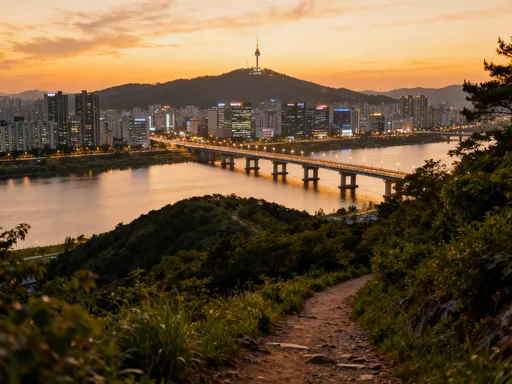
Rising from the slopes of Namsan Mountain, N Seoul Tower is one of Seoul’s most recognizable landmarks. Its sleek, modern form stands in contrast to the natural ridge it crowns, yet it feels like a natural extension of the city’s skyline. Accessible by footpath, cable car, or car, the tower offers panoramic views that stretch across the vast urban expanse, framed by forested mountains on all sides. From this vantage point, visitors gain a deeper understanding of Seoul’s unique geography—a city built within a bowl of hills, where nature and urban life are never far apart.
The best time to visit is during golden hour, just after sunrise or before sunset, when the light bathes the city in a warm glow. The sky shifts from soft pink to deep orange, and the city lights begin to twinkle below. This is when the skyline comes alive, revealing the layered texture of Seoul’s architecture: the glass towers of Gangnam, the historic rooftops of Jongno, and the green corridors of parks and rivers. For photographers, a telephoto lens can isolate specific districts, while a wide-angle captures the full sweep of the metropolis. The observation deck is spacious and well-organized, with glass panels that don’t obstruct the view.
Beyond the views, N Seoul Tower has become a symbol of connection. Couples attach love locks to fences near the summit, a gesture of commitment that has drawn both admiration and concern for structural safety. While the practice has been scaled back, the sentiment remains—a reminder that cities are not just made of steel and glass, but of human stories. For older travelers and families, the tower offers elevators, rest areas, and informative displays about Seoul’s history and development. The surrounding Namsan Park provides walking trails and quiet benches, making it easy to combine a visit with a peaceful nature walk. From this height, Seoul feels both vast and intimate—a city of millions, yet one that still leaves room for personal moments.
Traditional Hanok Villages in Bukchon and Namsangol
For those seeking a deeper connection to Korea’s architectural heritage, the hanok villages of Bukchon and Namsangol offer intimate, human-scaled experiences. Hanok are traditional Korean houses, characterized by their wooden frames, curved tiled roofs, and paper-sliding doors. Built to harmonize with nature, they feature open courtyards, natural ventilation, and materials sourced from the surrounding landscape. While many hanok have been lost to urban development, these two villages preserve their charm in different ways.
Bukchon Hanok Village, nestled between Gyeongbokgung Palace and Changdeokgung, is a residential area where centuries-old homes still stand side by side. Its narrow, winding alleys climb the hillside, offering unexpected views of rooftops and mountain ridges. Unlike a museum, Bukchon is a living neighborhood, where residents maintain their homes with care. Visitors are asked to be respectful—no loud voices, no stepping on private property—making it a place for quiet observation. The best photos come from elevated paths that look down on the village, capturing the rhythm of tiled roofs and wooden eaves. Early morning light enhances the textures, while mist from the hills adds a dreamlike quality.
In contrast, Namsangol Hanok Village is a reconstructed space, built in 1989 to preserve traditional architecture. Located at the foot of Namsan, it features five restored hanok homes, each furnished to reflect a different social class from the Joseon era. This makes it an excellent educational destination for families, where children can see how people lived centuries ago. The village hosts cultural programs—tea ceremonies, traditional music, and seasonal festivals—adding life to the static structures. While it lacks the authenticity of Bukchon, Namsangol offers accessibility and comfort, with paved paths, restrooms, and shaded areas. Both villages, in their own way, remind us that architecture is not just about grandeur, but about daily life, community, and continuity.
Modern Icons: COEX Mall and the Starfield Library
Within the bustling COEX Mall in Gangnam lies one of Seoul’s most unexpected architectural wonders—the Starfield Library. Spanning 60,000 square feet and housing over 50,000 books, this space transforms a commercial center into a cathedral of knowledge and light. Towering bookshelves rise like columns on both sides of a wide central aisle, their symmetry and scale evoking the grandeur of a Gothic church. Natural light filters from above, illuminating the space with a serene glow. Visitors often pause in silence, not just to read, but to absorb the atmosphere—a rare moment of stillness in a shopping mall.
The library’s design challenges the notion that retail spaces must be purely transactional. Instead, it invites people to linger, explore, and reflect. Families gather on the floor to read together, students study at long tables, and tourists snap quiet, reverent photos. The contrast between the surrounding mall’s energy and the library’s calm is striking, yet harmonious. It reflects a broader trend in Seoul—design that serves both function and soul. For photographers, the symmetry and lighting offer ideal conditions for architectural shots. A wide-angle lens captures the full perspective, while a polarizing filter can reduce glare from the glass ceiling.
COEX Mall itself is a feat of modern engineering, one of Asia’s largest underground shopping complexes. But it’s the library that draws the most attention, becoming a symbol of how cities can integrate culture into everyday spaces. Unlike exclusive museums or private reading rooms, this library is free and open to all. It represents a democratic ideal—that beauty, knowledge, and tranquility should be accessible to everyone, regardless of background. For older travelers and families, it’s a welcoming space with seating, quiet corners, and cultural events. In a city that moves quickly, the Starfield Library stands as a quiet reminder to slow down, look up, and remember what matters.
Seoul’s architectural landscape is more than a collection of buildings—it is a narrative of identity, resilience, and balance. From the quiet dignity of hanok villages to the bold curves of the DDP, each structure tells a part of the city’s story. For the thoughtful traveler, especially women who value meaningful experiences and emotional connection, these spaces offer more than visual beauty. They invite reflection, presence, and a deeper understanding of how design shapes our lives. Whether standing before a palace gate or beneath a soaring bookshelf, one feels a sense of harmony—between past and future, nature and city, individual and community. Seoul does not shout its greatness; it reveals it slowly, in details, in light, in the quiet moments between footsteps. To travel here is not just to see, but to feel. And in that feeling, one discovers not just a city, but a soul.