Lost in the Soul of La Paz: Where Culture Lives on Every Corner
You know what? I didn’t expect La Paz to hit me so hard. It’s not just the altitude—though that’ll knock you out fast—it’s the raw, pulsing culture in every market, museum, and street corner. This city breathes tradition, from indigenous rhythms to colonial echoes. If you’re chasing something real, something deeper than打卡 tourism, La Paz’s cultural venues will blow your mind. Let’s dive into the heartbeat of Bolivia. More than a capital city, La Paz is a living archive of resilience, identity, and artistic expression. Here, culture isn’t preserved behind glass—it thrives in chants, textiles, dances, and daily rituals. For the thoughtful traveler, especially those seeking meaning and connection, this Andean metropolis offers an unmatched journey into the soul of a nation.
First Glimpse: La Paz as a Cultural Paradox
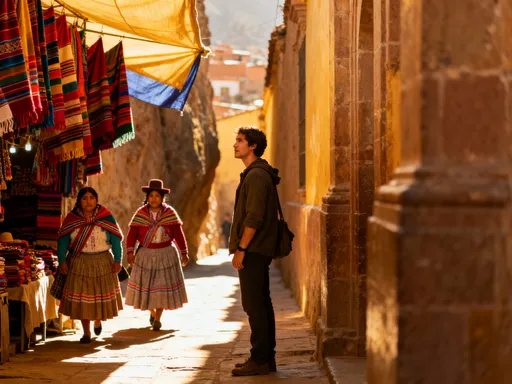
Perched high in the Andes, over 3,600 meters above sea level, La Paz clings to the steep walls of a deep canyon, a city sculpted by geography and history. Its dramatic topography mirrors its complex cultural identity—a place where ancient Aymara traditions coexist with colonial architecture and modern urban life. Visitors often arrive unprepared for the sensory wave that greets them: the hum of multilingual chatter, the scent of roasting corn and eucalyptus, and the sight of women in bowler hats and layered pollera skirts navigating bustling sidewalks. This is not a city frozen in time, nor is it one that has surrendered to globalization. Instead, La Paz embodies a dynamic duality—rooted in indigenous heritage while embracing contemporary expression.
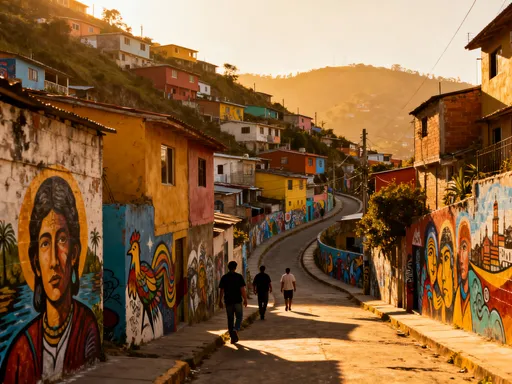
The city’s cultural landscape reflects this balance. From the colonial-era facades in the downtown core to the vibrant street art in residential neighborhoods, La Paz tells a layered story. Its people—largely of Aymara and Quechua descent—maintain strong ties to ancestral customs while navigating modern challenges. This fusion is evident in everything from language to fashion to food. Spanish dominates official spaces, but Quechua and Aymara are spoken openly in markets and homes, a testament to linguistic endurance. Traditional textiles are worn with pride, not as costumes, but as daily affirmations of identity. For the culturally curious traveler, especially women in their 30s to 50s who value authenticity and emotional resonance, La Paz offers a rare opportunity to witness culture as a living, evolving force.
Yet, this richness can be overwhelming. The altitude alone demands patience and self-awareness. Travelers are advised to rest upon arrival, sip coca tea, and move slowly—both physically and emotionally. Rushing through La Paz risks missing its deeper rhythms. Instead, approaching the city with openness and respect allows for a more meaningful experience. The goal is not to check off attractions but to absorb the atmosphere, to listen to the stories embedded in its streets, and to recognize that every corner holds a piece of Bolivia’s soul.
Museo Nacional de Etnografía y Folklore (MUSEF): Stories Woven in Cloth and Clay
One of the most rewarding entries into Bolivia’s cultural heart is the Museo Nacional de Etnografía y Folklore, affectionately known as MUSEF. Housed in a beautifully restored 18th-century mansion in the Sopocachi neighborhood, the museum offers a thoughtful, intimate exploration of Andean traditions. Its exhibits are not static displays but narratives told through textiles, ceramics, masks, and musical instruments. Each artifact carries symbolic meaning, often tied to cosmology, agricultural cycles, or spiritual beliefs. For visitors seeking depth, MUSEF provides context that transforms observation into understanding.
The textile collection is particularly powerful. Handwoven aymaras and aguayos—colorful carrying cloths—feature intricate patterns that communicate regional identity, social status, and even spiritual protection. These are not merely decorative; they are visual languages passed down through generations. The museum explains how colors and motifs relate to Pachamama (Mother Earth), the sun, the moon, and the sacred mountains. By learning to read these symbols, visitors gain insight into a worldview where nature and spirit are inseparable.
MUSEF also dedicates space to Bolivia’s diverse festivals, such as the Alasita and Carnival of Oruro. Elaborate masks used in dance performances reveal the blending of indigenous and Catholic traditions. The Tio Supay, a horned deity associated with the underworld, appears in both ritual and art, symbolizing a complex relationship with the unknown. These exhibits do not sensationalize; instead, they honor the continuity of belief systems that have survived centuries of change. For family-oriented women who appreciate heritage and storytelling, MUSEF offers a quiet yet profound space to reflect on cultural resilience.
The Witch Market (Mercado de las Brujas): Magic Meets Daily Life
No visit to La Paz is complete without a walk through the Mercado de las Brujas, a narrow stretch of Calle Linares near the city center. To the uninitiated, it may seem like a tourist spectacle, but this market is deeply embedded in local spiritual practice. Stalls overflow with dried llama fetuses, bundles of medicinal herbs, amulets, and candles inscribed with prayers. These items are not curiosities—they are tools used in aymara rituals to honor Pachamama and ensure prosperity, health, and protection.
One of the most common practices observed here is the *ch’alla*, a ceremonial offering made during construction, business openings, or personal milestones. A *yatiri* (traditional healer) may be called to bless a new home by burying a llama fetus beneath the foundation, a symbolic gesture of gratitude to the earth. While this may seem unusual to outsiders, it is a sincere expression of reciprocity—a belief that humans must give back to the land that sustains them. Visitors are encouraged to observe with respect, not judgment. Photography should be discreet, and purchases made with awareness of their sacred significance.
The market also sells *achachis*, small red peppers believed to ward off evil, and *sach’a palos*, wooden sticks infused with herbs used in cleansing rituals. These items are often incorporated into home altars or carried for personal protection. Vendors, mostly older women in traditional dress, speak openly about their beliefs, offering explanations without proselytizing. This openness invites dialogue, allowing travelers to engage meaningfully rather than spectate. For women who value emotional authenticity and spiritual depth, the Witch Market is not about fear or superstition—it’s about understanding a worldview where the seen and unseen are intertwined.
Teatro Gran Mariscal Santa Cruz: Colonial Grandeur and National Expression
In the heart of La Paz stands the Teatro Gran Mariscal Santa Cruz, Bolivia’s oldest theater and a symbol of cultural endurance. Opened in 1845, this neoclassical gem has survived earthquakes, political upheavals, and changing artistic tastes. Its ornate interior—gilded balconies, velvet curtains, and a painted ceiling depicting muses and allegories—speaks to a time when the arts were considered essential to national identity. Today, the theater remains a vibrant venue for classical concerts, traditional dance performances, and contemporary Bolivian plays.
Attending a performance here is more than entertainment; it’s a connection to Bolivia’s artistic lineage. Orchestras play works by both European composers and Bolivian musicians like José María Velasco Maidana, whose symphonies blend Andean melodies with classical forms. Folkloric dance troupes perform the *morenada*, *tinku*, and *diablada*, dances rich with historical and spiritual meaning. The *morenada*, for example, is believed to originate from the suffering of Afro-Bolivian miners during colonial times, its heavy costumes and dragging movements symbolizing oppression and resistance.
The theater’s survival is itself a statement. In a country where cultural institutions often struggle with funding and visibility, the continued operation of this historic space is a triumph. It represents a commitment to preserving artistic heritage while allowing room for innovation. For visitors, especially those who appreciate the performing arts, a night at the Santa Cruz offers elegance, history, and emotional resonance. The experience is not about luxury—it’s about witnessing how art continues to shape national consciousness in Bolivia.
Casa Nacional de la Moneda: Where History Coins and Cultures Collide
Just a short walk from the theater lies the Casa Nacional de la Moneda, a former colonial mint turned museum. Established in the 16th century, it was once the heart of Spain’s silver extraction empire in the Americas. The building itself is a monument to colonial power—thick stone walls, iron grilles, and a central courtyard where enslaved indigenous and African laborers once worked. Today, it serves as a powerful reminder of how economic systems have shaped cultural destinies.
The museum’s exhibits trace the journey of silver from Potosí’s mines to European treasuries, highlighting the human cost behind Bolivia’s mineral wealth. Interactive displays explain the minting process, from ore smelting to coin stamping, using original machinery that still stands in the basement. But the narrative goes beyond technology. Panels discuss the mita system, a form of forced labor that decimated indigenous populations, and the resistance movements that emerged in response. The museum does not shy away from uncomfortable truths; instead, it presents them with dignity and clarity.
One of the most moving sections is dedicated to cultural survival. Despite centuries of exploitation, indigenous communities preserved their languages, religions, and crafts. The museum showcases how traditional metallurgy techniques influenced local artisanship and how silverwork remains a source of pride in Bolivian craftsmanship. Coins, once symbols of oppression, are now reclaimed as emblems of resilience. For thoughtful travelers, especially women who care about social justice and historical awareness, the Casa de la Moneda offers a sobering yet empowering perspective on Bolivia’s past and present.
Street-Level Culture: Plazas, Parades, and Living Traditions
While museums and theaters offer curated experiences, La Paz’s true cultural pulse beats in its public spaces. Plazas like Murillo and Abaroa are not just architectural landmarks—they are stages for everyday life and ceremonial expression. On weekends and national holidays, these squares come alive with music, dance, and community gatherings. Traditional dancers in elaborate costumes perform for both locals and visitors, their movements telling stories of history, myth, and resistance.
The *tinku*, a ritual dance with roots in pre-Columbian combat, is often performed during festivals. Dancers wear colorful attire and engage in controlled, rhythmic clashes, symbolizing the balance between opposing forces—harmony through conflict. The *morenada*, with its towering feathered headdresses and jingling ankle bells, honors the memory of Afro-Bolivian miners. These performances are not staged for tourism; they are acts of cultural affirmation, passed down through families and community groups.
Music is equally vital. Bands playing *sikus* (panpipes) and *zampollas* (drums) fill the air with haunting melodies that echo across the canyon. Children learn these songs in school, ensuring their survival for future generations. For visitors, the key is respectful observation. Applauding, smiling, and asking polite questions are welcome, but intrusive photography or mimicking sacred dances is not. By participating as humble guests, travelers honor the living nature of these traditions. For women who value community and intergenerational connection, these moments offer deep emotional resonance.
Beyond the Center: Hidden Cultural Gems in Neighborhoods Like Sopocachi and Calacoto
While the city center draws most attention, some of La Paz’s most authentic cultural experiences unfold in its residential neighborhoods. Sopocachi, a leafy district with colonial charm, is home to independent galleries, cultural centers, and artisan workshops. Here, contemporary Bolivian artists reinterpret tradition through painting, sculpture, and mixed media. Spaces like the Centro Cultural y Museo Afroboliviano celebrate the contributions of Afro-Bolivian communities, often overlooked in mainstream narratives. Exhibits include photographs, oral histories, and traditional garments, offering a fuller picture of Bolivia’s diversity.
Local *ferias artesanales* (artisan fairs) pop up weekly in neighborhoods like Calacoto and Obrajes, where skilled craftspeople sell handmade textiles, jewelry, and ceramics. These are not mass-produced souvenirs but unique creations infused with cultural meaning. Visitors can speak directly with artisans, learning about their techniques and inspirations. Many use natural dyes and ancestral weaving methods, preserving knowledge that might otherwise fade. Supporting these vendors is a form of ethical tourism—direct, personal, and impactful.
These quieter spaces allow for deeper engagement. Without the crowds of central attractions, travelers can take their time, ask questions, and form real connections. For women who seek meaningful travel experiences—those who value authenticity over spectacle—these neighborhoods offer a chance to see La Paz not as a destination, but as a community. Culture here is not performed; it is lived, shared, and sustained through daily acts of creativity and pride.
Conclusion: Why La Paz’s Cultural Venues Matter More Than Ever
La Paz is not a city that reveals itself quickly. It demands patience, humility, and an open heart. But for those willing to look beyond the surface, it offers an extraordinary gift—the chance to witness culture not as a relic, but as a living, breathing force. From the sacred rituals of the Witch Market to the grandeur of the Santa Cruz Theater, from the painful truths of the Casa de la Moneda to the joyful dances in the plazas, each venue tells a part of Bolivia’s story. Together, they form a mosaic of resilience, identity, and beauty.
In an age of fast travel and superficial experiences, La Paz reminds us of the value of depth. Its cultural spaces do more than entertain—they educate, heal, and inspire. They are sanctuaries where tradition is honored, memory is preserved, and community is strengthened. For the 30- to 55-year-old woman who values emotional connection, authenticity, and personal growth, this city offers a journey unlike any other.
Responsible tourism plays a crucial role in sustaining these spaces. By visiting with respect, supporting local artisans, and listening to local voices, travelers become allies in cultural preservation. We do not need to understand everything to appreciate it. Sometimes, the most powerful moments are the quiet ones—watching a weaver at her loom, sharing a smile with a dancer, sipping coca tea in a sunlit plaza. These are the moments that stay with us, that change us.
So come to La Paz not to see, but to feel. Let the city’s rhythms guide you. Allow its stories to touch your heart. And remember: culture is not a performance for outsiders. It is a legacy—shared, sacred, and alive. In honoring it, we honor our shared humanity.