Hiking Through the Heat and Hustle: Festival Adventures in Ho Chi Minh City
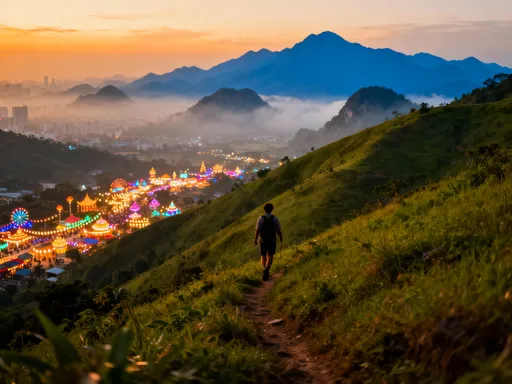
You know what I didn’t expect in Ho Chi Minh City? Hiking trails buzzing with festival energy. Amid the motorbikes and street food, hidden pathways lead to vibrant local celebrations. I discovered how trekking through nearby hills connects you to authentic cultural moments—especially during peak festival seasons. This is more than sightseeing; it’s immersive travel. Let me take you where maps don’t, where every step leads to music, color, and community. What began as a simple desire to escape the city’s relentless pace turned into a journey of rhythm, reverence, and revelation. In Vietnam’s largest metropolis, adventure doesn’t require distant mountains or expensive gear—it begins with curiosity and a willingness to walk.
Reimagining Urban Hiking
In most global cities, hiking conjures images of rugged trails, altitude markers, and national parks far from city limits. But in Ho Chi Minh City, the concept evolves. Here, urban hiking is not about conquering peaks but about reconnecting with movement, green spaces, and the natural flow of daily life. It’s walking through pockets of tranquility nestled within a sea of motion—along tree-lined canals, beside the meandering Saigon River, or through the quiet outskirts where concrete gives way to rice fields and forested hills. These routes redefine what it means to hike, proving that exploration doesn’t always demand distance or difficulty. Instead, it invites mindfulness, observation, and the joy of discovery in unexpected places.
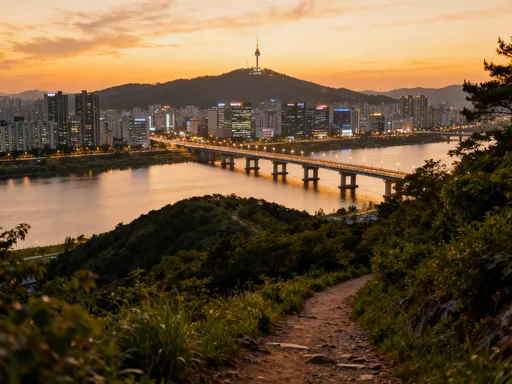
One of the most accessible starting points is the network of riverside paths that run through Districts 2 and Binh Thanh. These paved and partially shaded trails offer a peaceful contrast to the city’s chaotic streets. Early mornings are ideal, when the humidity is lower and locals practice tai chi, jog, or sip coffee at open-air stalls. As the sun rises, the river glistens under the light, and the rhythm of footsteps replaces the roar of motorbikes. These walks may not reach high elevations, but they elevate the spirit. They are gentle reminders that even in a fast-moving city, space exists for slowness and reflection.
Further west, Dam Sen Park in District 11 provides another green corridor with perimeter trails that allow for extended walking loops. While the park itself draws families and tourists, the outer paths are often quieter, winding through bamboo groves and lotus ponds. These trails are especially meaningful during festival seasons, when decorations begin to appear and the scent of incense drifts from nearby temples. The experience is not about physical challenge but about immersion—sensing the city’s pulse while stepping just outside its busiest currents. For travelers seeking authenticity without venturing too far, these urban walks offer a bridge between convenience and cultural connection.
What makes these routes significant is their accessibility. No special permits, vehicles, or advanced planning are required. A good pair of walking shoes, a hat, and a water bottle are often enough. This ease of access democratizes exploration, allowing travelers of various fitness levels to participate. By redefining hiking as a form of mindful movement rather than athletic endurance, Ho Chi Minh City opens doors to a different kind of tourism—one rooted in presence, not performance.
The Rhythm of Local Festivals
At the heart of Vietnamese culture lies a deep respect for tradition, family, and seasonal change—all of which are honored through festivals. In Ho Chi Minh City, these celebrations are not confined to temples or private homes; they spill into streets, parks, and communal spaces, transforming the urban landscape. The most prominent of these is Tet, the Lunar New Year, when the entire city slows down and families gather to welcome the new year with offerings, red envelopes, and ancestral remembrance. Homes are cleaned and decorated with kumquat trees and peach blossoms, markets overflow with traditional sweets, and children wear new áo dài, the elegant national dress.
Another major celebration is the Mid-Autumn Festival, known locally as Tết Trung Thu. Held in September or early October, this event is especially beloved by children, who carry colorful lanterns in parades through neighborhoods. Streets in areas like Cholon (District 5) come alive with handmade paper lanterns, lion dances, and drum performances. The festival, originally tied to harvest and moon worship, now serves as a joyful expression of community and intergenerational connection. The air fills with the scent of mooncakes—dense pastries filled with lotus seed or salted egg yolk—shared among neighbors and visitors alike.
Equally moving is Vu Lan, the Festival of Gratitude, often referred to as the Vietnamese Mother’s Day. Celebrated in the seventh lunar month, it is a time to honor parents and ancestors through temple visits, floral offerings, and acts of charity. At temples across the city, thousands gather to light incense and release floating lanterns onto rivers, symbolizing the release of suffering and the transmission of merit. The atmosphere is serene yet deeply emotional, marked by chanting monks, flickering candles, and quiet reflection. Unlike the exuberance of Tet or the playfulness of Mid-Autumn, Vu Lan is a festival of reverence—one that invites stillness and remembrance.
What unites these festivals is their ability to transform public space into sacred space. Streets become stages, parks become gathering grounds, and ordinary neighborhoods become centers of cultural expression. For the observant traveler, these moments offer rare access to the soul of Vietnamese life. They are not performances for tourists but lived traditions, passed down through generations. And when combined with walking—moving through these spaces on foot—the experience becomes even more intimate. You don’t just see the festival; you feel its rhythm in your stride, hear its music in the breeze, and taste its spirit in shared treats offered by smiling strangers.
Hiking Routes That Lead to Celebration
One of the most rewarding ways to experience Ho Chi Minh City’s festivals is by approaching them on foot through intentional walking routes. These paths not only provide physical access but also deepen the sense of journey and arrival. Consider the walk from central District 3 to Cholon in District 5 during the Mid-Autumn Festival. Starting early in the afternoon, you can follow Tran Hung Dao Street westward, passing street vendors preparing for the evening rush. As you enter Cholon, the atmosphere shifts—lanterns hang from balconies, children rehearse dance routines in courtyards, and the scent of roasted duck and steamed rice cakes fills the air.
This route, approximately 5 kilometers long, takes about 1.5 to 2 hours at a leisurely pace. The terrain is flat and paved, making it suitable for most walkers. While parts of the journey pass through busy intersections, sidewalks are generally available, and crossing with local pedestrians ensures safety. The reward at the end is Phuoc An Temple and the surrounding streets, where the lantern parade begins at dusk. Here, families gather, musicians play traditional instruments, and the glow of hundreds of paper lights creates a dreamlike ambiance. Arriving by foot allows you to absorb the buildup—the quiet moments before the celebration peaks—and to engage with locals who appreciate your effort and respect.
Another meaningful route connects Thu Duc City—a suburban district northeast of the city center—to nearby rural communes that host Tet fairs in the days leading up to Lunar New Year. Starting from Suoi Tien Park, walkers can follow a network of village roads and footpaths through farmland and orchards. This 6-kilometer trail, best taken in the cool morning hours, offers a glimpse into agrarian life that contrasts sharply with the city’s skyline. Along the way, you might pass farmers tending crops, children cycling home from school, or elders sipping tea under shaded porches.
Upon reaching a village hosting a Tet market, the scene bursts with color and energy. Stalls sell handmade decorations, lucky bamboo plants, and regional specialties like bánh tét (cylindrical rice cakes). Live music fills the air, and community games—such as sack races and blindfolded coconut striking—are open to all. Because these events are organized by locals for locals, they retain an authenticity often missing in commercialized festivals. Walking in rather than arriving by motorbike or car signals a willingness to participate, not just observe. Vendors are more likely to offer samples, children may invite you to join games, and elders might share stories in broken English or through gestures. This is cultural exchange at its most genuine.
Safety and comfort are essential on these routes. Travelers should carry water, wear breathable clothing, and apply sunscreen. It’s also wise to carry a simple map or use a navigation app with offline capability, as signage may be limited in rural areas. Most importantly, maintain a respectful demeanor—smile, greet locals with a polite “Xin chào,” and avoid intrusive photography. These small acts of courtesy open doors far more effectively than any guidebook.
Festival Meets Nature: Outdoor Celebrations Beyond the City
While urban festivals offer rich cultural experiences, some of the most profound moments occur just beyond the city limits, where nature and tradition converge. In regions like Ba Ria-Vung Tau or the hills of Nui Than Tai (also known as Lucky Mountain), hiking trails lead to open-air festivals that blend spiritual practice with communal celebration. These events are often tied to temple anniversaries or seasonal harvests and attract pilgrims and families from across southern Vietnam.
Nui Than Tai, located about 60 kilometers northwest of Ho Chi Minh City, is a prime example. The mountain, considered sacred by local Buddhists, is home to several temples nestled among limestone cliffs and tropical vegetation. A moderate 45-minute hike from the base leads to the main sanctuary, where incense coils burn continuously and statues of bodhisattvas stand beneath flowering trees. During festival days—particularly in spring and autumn—the trail becomes a procession route. Pilgrims walk upward carrying offerings, chanting softly, while others descend with blessed charms and lotus flowers.
At the summit, the celebration unfolds in a large courtyard surrounded by panoramic views of the surrounding countryside. Monks lead prayers, children release sky lanterns, and food stalls serve vegetarian dishes in biodegradable packaging. Unlike commercial festivals, this event emphasizes simplicity, mindfulness, and gratitude. The combination of physical ascent and spiritual gathering creates a powerful sense of renewal. For visitors, the experience is both invigorating and humbling—a reminder that travel can be transformative when it engages both body and spirit.
Reaching Nui Than Tai requires a short drive or motorbike taxi from the city, followed by the hike itself. Public minibuses run from Mien Dong Bus Station to Ba Ria, with connections available to local villages. From there, local guides or fellow pilgrims can direct you to the trailhead. Entry to the temple and festival is free, though donations are welcome. Visitors are expected to dress modestly—shoulders and knees covered—and to remove shoes before entering temple halls. These norms are not formalities but expressions of respect, and adherence ensures a warm reception.
Similar experiences can be found in the highland areas near Binh Duong and Tay Ninh, where forested trails lead to rural pagodas hosting annual festivals. These events often include folk music performances, calligraphy demonstrations, and traditional medicine stalls. Because they are less frequented by international tourists, they offer an unfiltered view of Vietnamese rural life. The synergy between hiking and festival participation becomes even more pronounced here—each step along the trail builds anticipation, and each moment at the celebration feels earned.
What to Wear, Bring, and Avoid
Preparing for a hiking-festival journey in southern Vietnam requires thoughtful planning, especially given the tropical climate and cultural expectations. The region’s heat and humidity demand lightweight, moisture-wicking clothing. Breathable fabrics like cotton or technical blends are ideal. Long sleeves and pants, while seemingly counterintuitive, can protect against sunburn and insect bites—especially on rural trails. A wide-brimmed hat and polarized sunglasses help shield against intense sunlight, while comfortable walking shoes with good grip prevent slips on uneven terrain.
Hydration is critical. Carrying at least one liter of water is essential, and reusable bottles with built-in filters are practical for refilling at temples or local shops. Electrolyte tablets or powdered mixes can help maintain balance during prolonged walks. Snacks like dried fruit, nuts, or rice crackers provide sustained energy without weighing you down. Avoid heavy meals before hiking; instead, opt for light, easily digestible foods.
When visiting temples or participating in festivals, modest dress is expected. Avoid tank tops, short skirts, or revealing clothing. Women may consider carrying a lightweight scarf to cover shoulders if needed. Men should wear shirts with sleeves and long pants. These choices are not about restriction but about honoring local customs and ensuring access to sacred spaces. Most temples provide loaner garments, but bringing your own shows respect and preparedness.
Crowds are inevitable during major festivals, so personal safety is important. Keep valuables secure—use a cross-body bag with a zipper and avoid displaying phones or cameras unnecessarily. Stay aware of your surroundings, especially in busy markets or parade routes. While most vendors are honest, it’s wise to purchase food from stalls with high turnover and visible preparation. Avoid unlicensed street carts that may lack proper hygiene. Drinking bottled or filtered water is strongly recommended.
Equally important is knowing what to avoid in terms of behavior. Refrain from touching religious statues or climbing on ceremonial structures. Do not point feet toward altars or people, as this is considered disrespectful. Photography is generally acceptable, but always ask permission before photographing individuals, especially monks or elders. Above all, avoid rushing. These journeys are not about checking boxes but about being present. Let the pace of the festival guide you. Sit when others sit, stand when they stand, and allow yourself to be part of the rhythm.
Why This Experience Changes Your Perspective
Walking to a festival in and around Ho Chi Minh City is more than a physical activity—it’s a shift in perspective. In an age of instant travel and curated experiences, this form of slow tourism restores depth and meaning to exploration. Each step along the trail becomes a meditation on place, people, and purpose. You begin to notice details you’d otherwise miss: the pattern of tiles on a temple roof, the way a grandmother folds a lotus offering, the sound of a child’s laughter echoing through a courtyard.
This method of travel fosters genuine connection. Locals respond to effort and respect. When they see you walking instead of driving, sweating instead of rushing, they recognize your intention. Conversations begin—simple ones, perhaps, but meaningful. A vendor offers you a sample of bánh tráng nướng (grilled rice paper). A monk nods in acknowledgment as you bow before an altar. A child hands you a paper lantern and smiles. These moments are not transactional; they are relational. They remind us that travel is not just about seeing new places but about meeting new people as equals.
Merging hiking with festival participation also deepens cultural understanding. You don’t just witness tradition—you move through it, breathe it, live it. The physical exertion of the hike makes the celebration feel earned, not handed. The fatigue in your legs makes the music sweeter, the food richer, the colors brighter. And in that heightened state of awareness, you begin to grasp the values that shape Vietnamese life: family, gratitude, harmony with nature, and reverence for ancestors.
Perhaps most importantly, this experience challenges the notion that meaningful travel requires distance or luxury. You don’t need a five-star resort or a private guide to encounter authenticity. Sometimes, all you need is a pair of shoes, a bottle of water, and the courage to walk into the unknown. In doing so, you discover not only a country but yourself—a more patient, attentive, and open version of who you are.
Planning Your Own Hiking-Festival Journey
Creating your own hiking-festival adventure in Ho Chi Minh City begins with timing. Align your visit with major festivals: Tet (late January to mid-February), Mid-Autumn Festival (September), and Vu Lan (August or September, depending on the lunar calendar). These dates vary annually, so consult a reliable lunar calendar or cultural tourism website in advance. Booking accommodations early is advisable, as many locals travel during these periods, and transport can be crowded.
Next, research trail conditions. Urban paths like those along the Saigon River are well-maintained year-round, but rural routes may be affected by rain or seasonal farming. Local walking groups or expat communities often share updates on social media platforms. Consider joining a guided walking tour or connecting with a local hiking club—many welcome international participants and provide valuable insights into etiquette and navigation.
When planning routes, start small. A 5-kilometer walk to a neighborhood festival is more sustainable than an ambitious trek on your first day. Use mapping apps with offline capabilities, and carry a printed backup. Inform someone of your itinerary, especially when venturing into rural areas. While crime is low, basic precautions enhance peace of mind.
Responsible tourism is key. Respect local customs, avoid littering, and support small vendors by purchasing food and crafts directly from them. Carry a reusable bag for waste, and dispose of it properly. Avoid loud behavior or disruptive photography in sacred spaces. Remember, you are a guest in someone’s community.
Finally, approach the journey with curiosity and care. Let go of rigid schedules and embrace spontaneity. Allow time to sit, observe, and listen. Say yes to invitations, even if you don’t understand every word. These moments of openness are where true connection happens. Hiking through the heat and hustle of Ho Chi Minh City to reach a festival isn’t just a trip—it’s a transformation. It’s a reminder that the world is best understood not from a screen or a seat, but from the ground up, one step at a time.