What Nobody Tells You About Eating in Pula
You’d think dining in Pula, Croatia, would be all olives, wine, and seaside charm. And it can be—just not always. I arrived hungry for authentic flavors but quickly learned that tourist crowds, misleading menus, and seasonal closures can turn a dream meal into a regret. This isn’t a guide to the best restaurants—it’s a real talk about what goes wrong, how to spot it, and why your perfect Adriatic dinner is closer than you think if you know what to avoid.
First Impressions vs. Reality: The Postcard Trap
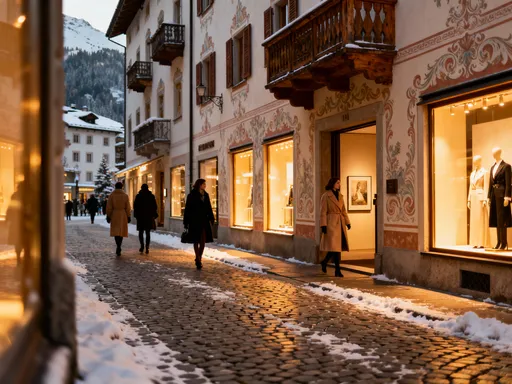
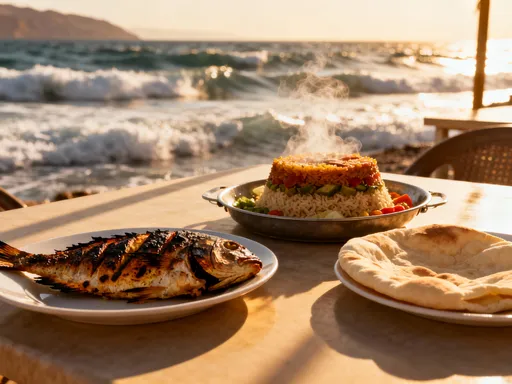
When most travelers imagine dining in Pula, they picture linen-draped tables set just steps from the Adriatic, the scent of rosemary and grilled fish lingering in the air, and the golden light of sunset washing over ancient stone. It’s a vision sold by travel brochures and Instagram feeds—a romanticized version of coastal Croatian life. The Roman Arena stands proudly in the background, bathed in twilight, while diners clink glasses of Malvazija wine under strings of soft lights. This ideal is not entirely fiction, but it is, more often than not, carefully curated for visitors who stay only a day or two.
The reality, especially in the heart of Pula’s old town and near major attractions, can be far less enchanting. The same squares that look magical at dusk are, by midday, packed with tour groups, the air thick with noise and the scent of fried calamari from half-empty fryers. Restaurants lining the main pedestrian routes—particularly those within sight of the Arena or the bustling marina—rely less on loyalty and more on foot traffic. Their menus are designed for quick turnover, not culinary depth. White tablecloths may still be present, but they often cover tables where meals feel rushed, service is distracted, and the food lacks soul.
One of the most telling signs of a restaurant prioritizing appearance over authenticity is the absence of local patrons. If a place is filled only with tourists speaking German, Italian, or English, and not a single Croatian accent can be heard, it’s likely the kitchen isn’t cooking for the community. These establishments often inflate prices by 30 to 50 percent simply for the view or location. A grilled fish dish that costs 120 kuna (about $17) in a neighborhood konoba might be priced at 180 kuna in a waterfront tourist spot, with no improvement in quality—sometimes even a decline.
The area around the Pula Arena, while historically rich and visually stunning, is ground zero for this phenomenon. Many of the restaurants there operate on short-term leases and cater almost exclusively to cruise ship passengers with just a few hours ashore. Their business model doesn’t depend on word-of-mouth or repeat customers, so there’s little incentive to invest in high-quality ingredients or attentive service. Similarly, marina-side eateries often serve generic Mediterranean fare—pasta with shrimp, fried fish platters, and pre-made tiramisu—meals that could be replicated in any coastal tourist town across southern Europe.
The Menu Game: Decoding Hidden Pitfalls
One of the subtlest yet most common challenges for visitors in Pula is navigating restaurant menus that are designed more to impress than to inform. At first glance, a menu might seem straightforward: grilled octopus, Adriatic prawns, black risotto. But dig a little deeper, and the lack of detail becomes apparent. Phrases like “catch of the day” or “chef’s special” are frequently used, yet they often come without any explanation of what fish is actually being served, where it came from, or how it was prepared. In some cases, there are no prices listed at all—only to appear later on the bill with a silent surcharge.
Language is another layer of complexity. Many restaurants in tourist areas offer menus translated into English, German, or Italian, but these translations can be misleading. A dish described as “freshly grilled squid” might, in Croatian, specify “frozen squid, lightly grilled”—a crucial difference that gets lost in translation. On one occasion, I ordered what I believed to be tender grilled squid rings, only to be served a portion of rubbery, overcooked rings clearly thawed from a bulk freezer pack. When I politely asked the server if it was fresh, the response was a hesitant shrug and a quick change of subject.
Photos on menus or digital displays can also be deceptive. A beautifully plated sea bass with lemon and herbs might look irresistible, but the actual dish served is often smaller, less colorful, and lacking the garnishes shown. These visual promises create expectations that the kitchen is not always equipped to meet. Some restaurants even use stock images not taken in their own kitchen, making it nearly impossible to know what you’re truly ordering.
The best defense against these menu tricks is curiosity. Don’t hesitate to ask questions. A simple “Is this fish fresh?” or “Was it caught locally today?” can reveal a lot. Watch what local diners are ordering—if everyone around you is eating a simple plate of grilled sardines with boiled potatoes and a drizzle of olive oil, that’s probably a better bet than the “luxury seafood platter” on the tourist menu. Staff who take pride in their ingredients will happily explain where the fish came from or how the olive oil was made. If they seem evasive or uninterested, it’s a red flag.
Location Bias: Why Proximity to Attractions Hurts Your Meal
It’s a universal truth in travel: the closer a restaurant is to a major tourist attraction, the more likely it is to compromise on quality. In Pula, this rule holds especially true within a 300-meter radius of the Roman Arena, the harbor, and the main ferry terminal. These areas command the highest rents, and restaurant owners must recoup those costs quickly. With thousands of visitors passing through each day—especially during peak season—there’s little need to cultivate loyalty. A diner who will never return is less valuable than one who pays a premium for convenience.
High rent translates directly into higher menu prices, but not necessarily better food. Many of these establishments prioritize speed and volume over craftsmanship. Kitchens are often understaffed, relying on frozen ingredients and pre-made sauces to keep up with demand. Service can be rushed, with tables turned over in under an hour to make room for the next wave of tourists. The result is a meal that feels transactional rather than experiential—a box checked rather than a moment savored.
Data from local tourism surveys supports this trend. On average, a main course in a restaurant within 100 meters of the Pula Arena costs 25 to 40 percent more than the same dish in a neighborhood konoba just a 10- to 15-minute walk away. A grilled sea bass that sells for 160 kuna near the waterfront might be priced at 110 kuna in a family-run tavern in the Verudela or Monte districts, where the fish is equally fresh and the atmosphere more relaxed.
Walking just a little farther from the center doesn’t just save money—it improves the dining experience. Away from the noise and crowds, restaurants are more likely to be run by families who live in the area and take pride in their cooking. These places often source ingredients from local fishermen or their own gardens. The pace is slower, the service more personal, and the food more reflective of Istrian tradition. A simple dish of fuži pasta with truffle sauce or a plate of grilled mussels in white wine and garlic might not look as photogenic as a tourist platter, but it will taste more authentic.
Seasonal Surprises: When “Always Open” Isn’t
One of the most overlooked aspects of dining in Pula is its seasonal rhythm. While the city buzzes with life from June to August, many of the most authentic restaurants—especially small, family-run konobas—operate on a seasonal schedule. They open in May, run through the summer, and close by late September or early October. This means that travelers visiting in April, October, or November may find their favorite-looking taverna with a “Closed” sign on the door, sometimes with no notice or explanation.
These closures aren’t arbitrary. Running a restaurant year-round in a city with fluctuating tourist numbers isn’t always sustainable. Many owners are retirees or part-time workers who prefer to enjoy the off-season with family or travel themselves. Others depend on fresh, seasonal ingredients—like wild asparagus in spring or truffles in autumn—that aren’t available year-round. When the supply dries up, so does the motivation to stay open.
Weather also plays a role, especially for konobas that rely on outdoor seating. A sudden storm or prolonged cold spell can make al fresco dining unpleasant, leading some owners to close temporarily. Coastal winds can disrupt fishing schedules, meaning even if a restaurant is open, the seafood menu may be limited or substituted with frozen alternatives.
To avoid disappointment, it’s wise to check opening times before making plans. The Pula Tourist Information website often lists updated hours for popular eateries, and recent traveler reviews on platforms like Google Maps or TripAdvisor can provide real-time insights. Calling ahead is another effective strategy, especially for smaller places that may not have an online presence. If you’re visiting during the shoulder months, consider focusing on hotels or larger restaurants that remain open year-round, or explore the indoor options at the Pula Green Market, where local vendors sell cheeses, cured meats, and fresh produce even in winter.
Seafood Myths: Fresh Isn’t Always What It Seems
There’s a widespread belief among travelers that eating seafood in a coastal town automatically means it’s fresh. In Pula, this assumption can lead to disappointment. While the Adriatic does yield excellent fish—like dentex, sea bass, and red mullet—not every restaurant serves what it claims. Due to overfishing, seasonal quotas, and rising demand, some establishments supplement their supply with frozen imports from elsewhere in the Mediterranean or even from outside Europe.
Frozen fish is not inherently bad, but it’s rarely as flavorful or tender as fish caught and cooked the same day. The problem arises when restaurants don’t disclose this. A menu listing “grilled Adriatic fish” might, in reality, serve a fillet defrosted that morning from a warehouse shipment. Without clear labeling or staff transparency, diners have no way of knowing.
Learning how to spot true freshness can make a significant difference. Fresh fish should have clear, bright eyes, firm flesh that springs back when touched, and a clean, oceanic smell—not fishy or sour. If the fish is displayed on ice, look for whole fish rather than pre-cut fillets; it’s harder to hide poor quality when the fish is whole. Menus that list the fish by its local name—such as “lubina” for sea bass or “srdela” for sardines—tend to be more transparent than those using generic terms like “white fish” or “local catch.”
Don’t hesitate to ask the server where the fish was caught and when. A trustworthy staff member will be able to tell you if it came in that morning from a nearby fishing village like Fažana or Vrsar. Some restaurants even display the names of local fishermen or boats on their walls—a sign of pride and traceability. If the answer is vague or the server seems uncomfortable, it’s safer to choose a different dish, such as grilled vegetables, a meat option, or a pasta with seasonal ingredients.
The Tourist Tax: How You Pay More Without Knowing
In tourist-heavy areas of Pula, it’s not uncommon to encounter what locals call the “tourist tax”—not an official levy, but a series of subtle markups that inflate the bill without clear warning. The most common is automatic service charges, often listed as “service included” or “cover charge,” which can add 10 to 15 percent to the total without a corresponding increase in service quality. In some cases, these charges are applied even when the staff is distracted or inattentive.
Another form of hidden cost is location-based pricing. A restaurant with a sea view may charge 20 to 30 kuna extra for the same dish served without a view. A glass of house wine that costs 30 kuna in a backstreet konoba might be priced at 50 kuna or more in a waterfront café. Drinks, especially bottled water, soft drinks, and alcohol, are often marked up by 100 percent or more. A beer that retails for 10 kuna in a supermarket can easily sell for 25 to 30 kuna in a tourist zone.
To protect yourself, always check the menu before sitting down. Many restaurants display their prices outside or near the entrance. If prices aren’t listed, it’s reasonable to ask to see the menu first. Confirm whether prices are per person or for sharing, and whether drinks are included in set meals. When the bill arrives, review it carefully. If a service charge is already included, tipping is not expected—though leaving an additional 5 to 10 percent for good service is appreciated. Tipping is not mandatory in Croatia, and locals typically tip only when service has been exceptional.
Avoiding the tourist tax doesn’t mean sacrificing comfort or safety. It means being informed. By choosing restaurants where prices are transparent and service is consistent, you support ethical business practices and enjoy a more authentic experience. The savings can also be reinvested—perhaps in a bottle of local olive oil, a truffle spread, or a cooking class with a Pula chef.
Smart Dining: How to Eat Like a Local in Pula
The key to a truly rewarding dining experience in Pula is shifting from passive consumption to active exploration. Instead of settling for the first restaurant you see, take time to observe, ask, and wander. The best meals often come from places that don’t advertise heavily, don’t have English menus, and aren’t listed on every travel app. These are the konobas tucked into quiet alleys, the family kitchens that open only for dinner, and the weekly markets where locals gather to taste and share.
One of the best starting points is the Pula Green Market, held daily in the city center. Here, vendors sell fresh produce, artisanal cheeses, Istrian prosciutto, and seasonal specialties like wild greens and homemade preserves. You can sample olives cured in rosemary, taste honey from local hives, and watch fishermen unload the morning’s catch. The market isn’t just a place to buy food—it’s a window into Pula’s culinary culture. Strike up a conversation with a vendor, and you might receive a recommendation for a nearby family-run restaurant that doesn’t appear on maps.
Adopting local dining habits also helps. Croatians tend to eat later than many tourists—lunch around 1:30 or 2 p.m., dinner after 8 p.m. Arriving at a restaurant at 6 p.m. might mean you’re the only guest, while by 8:30, it’s full of families and friends enjoying long, leisurely meals. Avoiding the lunchtime rush, especially between 12:30 and 1:30 p.m., can also improve your experience, as kitchens are less overwhelmed and service more attentive.
When you do find a great spot, take your time. Order slowly. Start with a simple appetizer—perhaps a plate of grilled peppers and cheese or a bowl of bean soup. Follow with a main dish that highlights local ingredients. End with a cup of strong Croatian coffee or a glass of rakija, the traditional fruit brandy. These small rituals transform a meal from a necessity into a celebration of place and presence.
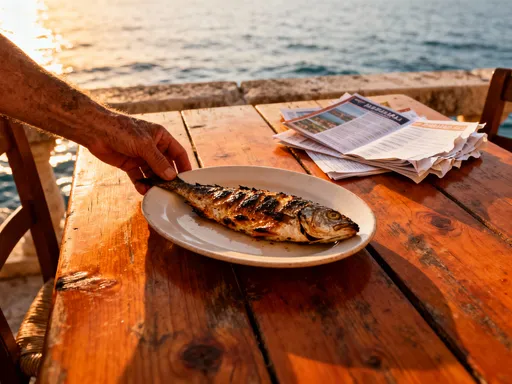
Dining in Pula doesn’t have to be a gamble. Yes, the pitfalls are real—but so are the rewards. By understanding the rhythm of local life, reading between the menu lines, and stepping slightly off the beaten path, you unlock a richer, truer taste of Croatia. It’s not about avoiding restaurants; it’s about choosing wisely. Because when you do, that simple plate of grilled fish with olive oil and rosemary becomes more than a meal—it becomes memory.