You Won’t Believe These Hidden Cultural Gems in Krabi
Krabi isn’t just about postcard beaches and limestone cliffs — there’s a deeper soul to this Thai paradise. I stumbled upon traditions, local crafts, and village rhythms that most tourists never see. From temple festivals to generational boat-making, Krabi’s culture runs far beyond the surface. If you're craving authentic connections and moments that feel truly earned, this is your sign to dig deeper. Let’s explore the quiet, colorful heart of southern Thailand together — where real stories unfold away from the crowds.
Beyond the Beaches: Discovering Krabi’s Cultural Pulse
Krabi is often celebrated for its dramatic karst formations rising from turquoise waters, its powdery white sands, and its reputation as a haven for rock climbers and beach loungers. While these natural wonders are undeniably breathtaking, they represent only one layer of a destination that pulses with cultural vitality. Beyond the well-trodden paths of Railay Beach and Ao Nang’s tourist lanes lies a quieter, more enduring world — one shaped by centuries of tradition, community life, and spiritual practice. For travelers willing to look beyond the surface, Krabi offers a rare opportunity: to witness a culture that remains rooted even as tourism grows.
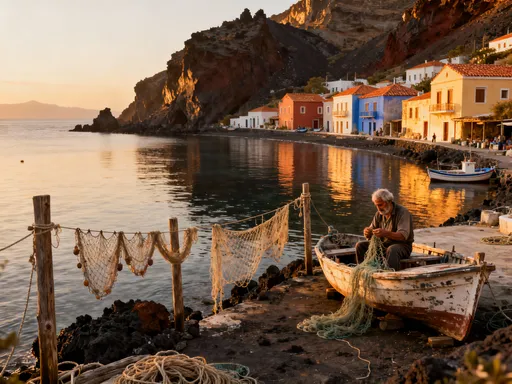
The contrast between mainstream tourism and authentic local life is striking. In the early morning light, before tour boats set out for snorkeling trips, fishing families mend their nets along the mangrove-lined shores. In hillside villages, elders gather under shaded pavilions to share stories in the soft cadence of Southern Thai dialects. These moments are not staged for visitors; they are part of a daily rhythm that continues with grace and resilience. Immersing oneself in these experiences transforms a vacation from passive observation into meaningful engagement. It shifts the traveler’s role from spectator to respectful guest, deepening both understanding and connection.
Cultural immersion adds dimension to any journey, but in Krabi, it feels especially rewarding. Unlike destinations where tradition has been diluted by mass tourism, Krabi maintains a strong sense of identity. This is evident in the way festivals are celebrated with devotion, how food is prepared with ancestral recipes, and how craftsmanship is passed from one generation to the next. Travelers who take time to explore this cultural fabric often find their memories enriched — not just by what they saw, but by what they felt, learned, and shared. Choosing to go beyond the beaches isn’t about rejecting Krabi’s natural beauty; it’s about honoring the fullness of what this region has to offer.
Temples With Stories: More Than Just Architecture
Among Krabi’s most enduring cultural anchors are its Buddhist temples, or *wats*, which serve not only as places of worship but as centers of education, community gatherings, and spiritual continuity. While some temples attract visitors for their scenic views or striking architecture, others remain under the radar — quiet sanctuaries where daily life unfolds in harmony with centuries-old traditions. Wat Kaew Korawaram, located near Krabi Town, is one such place. Though it features a magnificent golden Buddha visible from afar, its true significance lies in the daily rituals performed by monks and laypeople alike. At dawn, the air fills with the low chant of morning prayers, while families bring offerings of flowers, incense, and food to earn merit.
Further afield, Wat Tham Sua, also known as Tiger Cave Temple, stands as a powerful symbol of spiritual dedication. Perched on a hillside surrounded by dense jungle, the temple requires a climb of over 1,200 steps to reach its upper sanctuary. Yet for many Thais, this physical effort is part of the spiritual practice — a form of devotion that purifies the mind and body. The temple is named after a tiger once said to have meditated in the nearby cave, and today, it remains a retreat for monks engaged in intense meditation. Visitors who approach with reverence are welcome to observe, but silence and modest dress are expected. This is not a tourist attraction; it is a living spiritual space.
What makes these temples truly special is their role in community life. They host school programs, funeral rites, and seasonal festivals that bring families together. During Makha Bucha Day, for instance, hundreds of locals gather at Wat Kaew Korawaram to walk the candlelit path around the main hall in a ritual known as *wian thian*. The atmosphere is solemn yet warm, filled with a collective sense of peace. For travelers, witnessing such moments offers a rare glimpse into the heart of Thai spirituality. By observing quietly, dressing appropriately, and refraining from intrusive photography, visitors can honor these traditions while gaining a deeper appreciation for their meaning.
Village Life in Ao Nang and Beyond: A Glimpse Into Daily Rhythms
While Ao Nang is widely known as a hub for tourists seeking beachfront resorts and seafood restaurants, just a short walk inland reveals a different reality — one defined by family homes, neighborhood shrines, and the unhurried pace of local life. Here, children ride bicycles to school in crisp white uniforms, grandmothers sell fresh coconuts from roadside stalls, and motorbikes weave through narrow lanes lined with flowering frangipani trees. These scenes are not curated for visitors; they reflect the everyday rhythm of a community that has lived in this region for generations.
Exploring residential neighborhoods offers insight into how tradition and modernity coexist. In the early hours, the scent of jasmine rice and grilled fish drifts from open kitchen doors. Women in traditional *pha sin* skirts prepare meals before heading to work in local shops or schools. Meanwhile, teenagers tap away on smartphones, listening to Thai pop music while helping their parents at the family convenience store. This blend of old and new is not a contradiction — it is a natural evolution, where cultural values remain intact even as lifestyles adapt.
One of the best ways to experience village life is by visiting a morning market. Unlike the night markets designed for tourists, these local markets operate at dawn, bustling with activity as vendors arrange fresh produce, dried seafood, and handmade snacks on bamboo mats. Prices are low, interactions are warm, and the food is deeply authentic. A simple breakfast of *khao tom* (boiled rice soup) or *kanom jeen* (fermented rice noodles with curry) eaten at a plastic table under a tarp provides more cultural insight than any guided tour. These moments of connection — a smile from a vendor, a shared laugh over a language mix-up — are what make travel meaningful.
What stands out in these communities is the sense of belonging. Neighbors greet each other by name, children play freely in shared courtyards, and elders are treated with visible respect. This social fabric is woven through shared customs, religious observances, and a deep connection to place. For travelers, slowing down to observe and participate — even in small ways — fosters a sense of inclusion. It reminds us that the most rewarding journeys are not about ticking off landmarks, but about feeling part of something larger than oneself.
Craftsmanship Alive: From Rice Farming to Boat Building
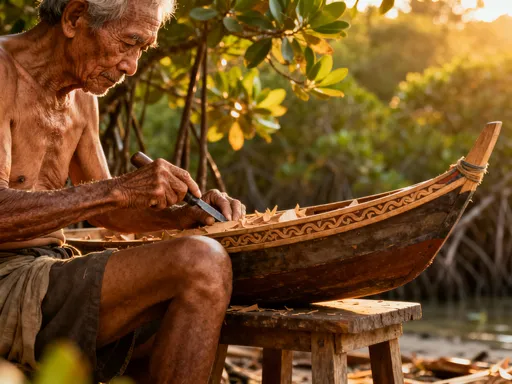
In the inland villages of Krabi, traditional craftsmanship remains a vital part of daily life. Far from being relics of the past, skills like rice farming, weaving, and wooden boat construction are actively practiced, sustained by pride, necessity, and intergenerational knowledge. One of the most remarkable of these traditions is the building of longtail boats — slender, hand-carved vessels powered by repurposed car engines and crowned with tall, rudder-like propellers. These boats are not just functional; they are works of art, shaped by craftsmen who have spent decades mastering their trade.
In villages like Ban Talae, located along Krabi’s northern coastline, families have been constructing longtail boats for generations. The process begins with selecting the right wood — typically *takien*, a durable hardwood resistant to saltwater. Artisans then hand-carve the hull using adzes and chisels, shaping each boat to fit the needs of local fishermen. The entire process can take several weeks, requiring precision, patience, and deep understanding of the sea. Travelers who visit these workshops are often welcomed with curiosity and hospitality. With permission, they may observe the carving process, ask questions, and even try their hand at sanding a hull under guidance.
Equally important is the tradition of rice farming, which continues in the fertile plains near Khlong Yuan and Nua Klong. Here, farmers work in flooded paddies, planting and harvesting rice using methods passed down for centuries. While some modern tools have been introduced, much of the labor remains manual — a testament to the resilience and dedication of rural communities. During planting and harvest seasons, entire families come together to work the fields, reinforcing bonds and preserving knowledge. Some farms now offer cultural tours, allowing visitors to participate in planting or threshing under supervision. These experiences are not performances; they are invitations to understand the effort behind every grain of rice.
Supporting these crafts is not just enriching for travelers — it is crucial for cultural preservation. When tourism focuses solely on consumption, it risks eroding the very traditions it claims to celebrate. But when visitors engage respectfully — by purchasing handmade items directly from artisans, asking thoughtful questions, and honoring local customs — they contribute to sustainability. These crafts are more than skills; they are expressions of identity. By valuing them, travelers help ensure they are not lost to time.
Festivals That Move the Soul: Timing Your Visit for Cultural Magic
One of the most powerful ways to experience Krabi’s culture is through its festivals — vibrant, deeply meaningful events that reflect the spiritual and communal life of the region. Unlike commercialized celebrations designed for tourists, these festivals are rooted in religious devotion, ancestral respect, and seasonal cycles. Two of the most significant are the Vegetarian Festival and Makha Bucha, each offering a unique window into local beliefs and practices.
The Vegetarian Festival, known locally as *Tesagan Gin Je*, is observed primarily by the Thai-Chinese community and typically falls in October. For nine days, participants adhere to a strict plant-based diet, believing it purifies the body and mind. The festival reaches its peak with processions featuring devotees in white clothing who perform acts of endurance — such as walking on hot coals or piercing their cheeks with metal rods — as expressions of spiritual strength and gratitude. In Krabi Town, these processions wind through the streets, accompanied by drumming, cymbals, and the scent of burning incense. While the rituals may seem intense to outsiders, they are carried out with solemn purpose. Visitors are welcome to observe, but photography should be discreet and respectful.
Makha Bucha, a Buddhist holy day usually occurring in February or March, commemorates the spontaneous gathering of 1,250 disciples to hear the Buddha’s teachings. In Krabi, the day is marked by candlelit processions, merit-making, and temple visits. At Wat Kaew Korawaram, hundreds of people gather after sunset to walk the *wian thian* circuit, holding candles, incense, and lotus buds. The sight of this glowing procession, moving in silence around the temple grounds, is profoundly moving. Children walk beside their parents, monks chant in unison, and the night air hums with quiet reverence. For travelers, participating — even as silent observers — can be a deeply emotional experience, fostering a sense of peace and connection.
Timing a visit to coincide with these festivals requires planning, but the rewards are immeasurable. These are not spectacles; they are acts of faith and community. To witness them is to be reminded of the power of shared belief and collective memory. Travelers should approach with humility, dress modestly, and follow local guidance. By doing so, they honor the traditions they come to observe and leave with memories that resonate long after the journey ends.
Taste of Tradition: Eating Like a Local, Not a Tourist
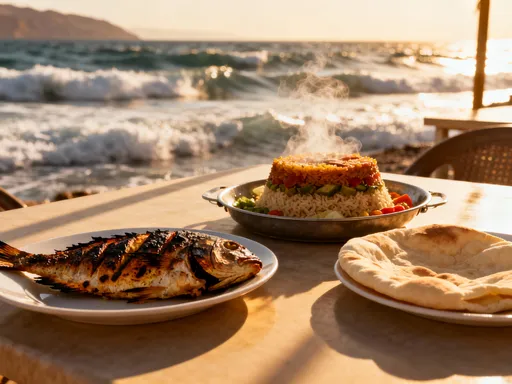
Food is one of the most intimate expressions of culture, and in Krabi, it tells a story of land, sea, and generations of culinary wisdom. While many visitors dine at beachfront restaurants serving Westernized versions of Thai food, those who seek out authentic meals discover a richer, bolder flavor profile — one defined by fresh ingredients, complex curries, and family recipes guarded like heirlooms. Southern Thai cuisine, in particular, is known for its spiciness, use of turmeric, and incorporation of seafood and tropical herbs.
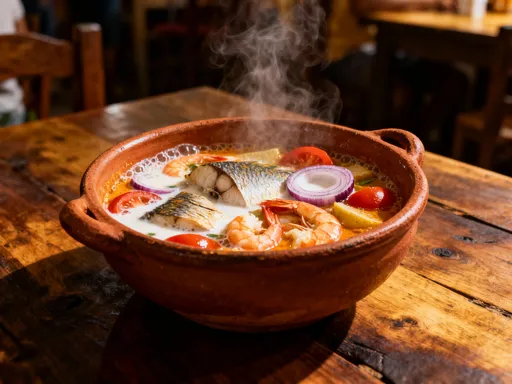
To eat like a local, one must venture beyond the tourist zones. Night markets in Krabi Town offer some of the best opportunities, where vendors serve dishes like *gaeng som pla* (sour fish curry), *moo yang* (grilled pork), and *roti glua chai* (sweet roti with banana). These foods are affordable, delicious, and prepared with care. Even more rewarding are homestay dinners, where families open their homes to guests, serving multi-course meals that reflect their heritage. A typical evening might include *khao yam* (herb salad with fermented fish), *pla tuu sataw* (mackerel with bitter beans), and *khanom chin nam ya* (rice noodles with fish-based curry). Each dish carries memories — of childhood meals, festival feasts, and family gatherings.
Understanding food etiquette enhances the experience. It is customary to eat with a spoon and fork, using the spoon to scoop food and the fork to push ingredients onto it. Sharing dishes is the norm, and it is polite to try a bit of everything. Complimenting the cook is appreciated, as is finishing one’s plate — a sign of respect. When invited into a home, bringing a small gift, such as fruit or dessert, is a thoughtful gesture. These small acts of courtesy strengthen connections and show appreciation for the hospitality offered.
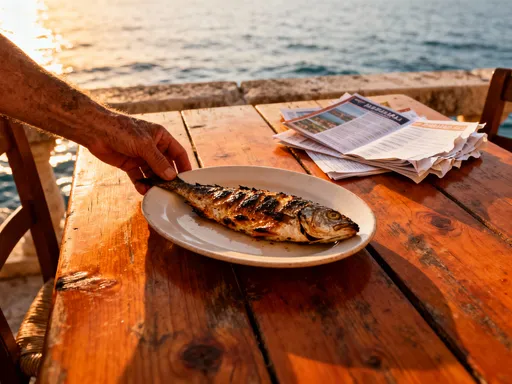
Food in Krabi is not just sustenance; it is storytelling. Recipes are passed from mother to daughter, adjusted over time but always rooted in tradition. A bowl of curry can evoke memories of monsoon seasons, fishing trips, or temple fairs. By eating like a local — slowly, respectfully, and with curiosity — travelers become part of that story. They taste not just flavors, but history.
Traveling with Respect: How to Engage Without Overstepping
As interest in cultural tourism grows, so does the responsibility to engage mindfully. In Krabi, where traditions remain deeply valued, respectful behavior is not just appreciated — it is essential. Travelers who wish to connect authentically must do so with humility, awareness, and a willingness to listen. This begins with simple gestures: dressing modestly when visiting temples or villages, removing shoes before entering homes or sacred spaces, and speaking in calm, polite tones.
Asking permission before taking photographs is a fundamental sign of respect. While many locals are friendly and open to interaction, candid photos of people at work or in private moments can feel intrusive. A smile, a gesture, or a simple “*may chai pao rup*?” (Can I take a photo?) goes a long way. When photographing rituals or ceremonies, extra sensitivity is required — some events are not meant for cameras at all.
Supporting the local economy is another way to travel responsibly. Choosing family-run guesthouses, buying crafts directly from artisans, and dining at neighborhood eateries ensures that tourism benefits the community. Avoiding large chain businesses in favor of small, independent operators helps sustain traditional livelihoods. Additionally, learning a few basic phrases in Thai — such as “*sawasdee khrap/ka*” (hello), “*kop khun khrap/ka*” (thank you), and “*mai pen rai*” (you’re welcome) — demonstrates effort and earns goodwill.
Ultimately, respectful travel is about balance. It is about being present without imposing, observing without objectifying, and participating without disrupting. When done with care, cultural tourism becomes a bridge — one that fosters mutual understanding and lasting memories. In Krabi, where the land and people share a quiet dignity, this approach allows travelers to experience the destination not as a spectacle, but as a living, breathing community.
Conclusion
Krabi’s true beauty lies not only in its postcard-perfect landscapes but in its living culture — in the chants of monks at dawn, the hands of artisans shaping wood into boats, the shared laughter over a family meal, and the quiet reverence of a candlelit procession. These moments, though often unseen by casual visitors, are the soul of the destination. They remind us that travel at its best is not about escape, but about connection.
For women between 30 and 55 — many of whom travel not just for relaxation, but for meaning, growth, and renewal — Krabi offers a rare opportunity. It invites you to slow down, to listen, to engage with authenticity. It challenges the notion that paradise is only found in perfect beaches, suggesting instead that it resides in human warmth, cultural depth, and shared stories.
By seeking out these hidden cultural gems, you do more than enrich your own journey — you honor the people and traditions that make Krabi unique. You become not just a visitor, but a thoughtful explorer. And in doing so, you discover that the most transformative travels are not measured in miles, but in moments of genuine connection. Let Krabi be your next destination — not just to see, but to feel, to learn, and to remember.